

Zinc Supplement for Male Hormone Health: A Practical How‑To Guide
Your testosterone may be slipping faster than you think.
Age brings many changes, but a drop in hormone health often hides behind fatigue, low drive, and slower recovery. One mineral that many men forget is zinc. Zinc supports testosterone production, immune strength, and muscle repair.
Take a look at how real men fix this. A 45‑year‑old fitness enthusiast added a zinc‑rich supplement to his routine and reported steadier energy and better workout gains within weeks. The key steps are simple: check your diet for zinc‑rich foods like oysters, pumpkin seeds, and beef; aim for 15 mg of zinc a day; and if you struggle to hit that, choose a science‑backed supplement.
Our own Ultra Test Natural Testosterone Support blends zinc with other proven nutrients to back hormone balance and performance. The formula also adds magnesium and vitamin D to keep cortisol low and bone health strong.
For a deeper look at your hormone profile, you might partner with a health service that offers personalized testing. XLR8well provides proactive assessments that can guide how much zinc you truly need. When you pair the supplement with regular movement and enough sleep, the benefits multiply.
Start with a daily zinc supplement today and watch your energy, mood, and strength improve.
Table of Contents
- Step 1: Understanding How Zinc Affects Male Hormones
- Step 2: Choosing the Right Zinc Supplement Formulation
- Step 3: Proper Dosage and Timing for Optimal Hormone Support
- Step 4: Potential Side Effects and Interactions to Watch For
- Conclusion
- FAQ
Step 1: Understanding How Zinc Affects Male Hormones
When you hit your 40s, you might notice a dip in drive, strength, or mood. One of the main reasons is a drop in zinc. Your body uses zinc like a tiny switch that helps turn on testosterone. Without enough, the switch stays dim.
Think of zinc as a helper for the cells that make testosterone. It works with enzymes to move raw material into the hormone you need. Low zinc means the cells struggle, and you end up feeling slower.
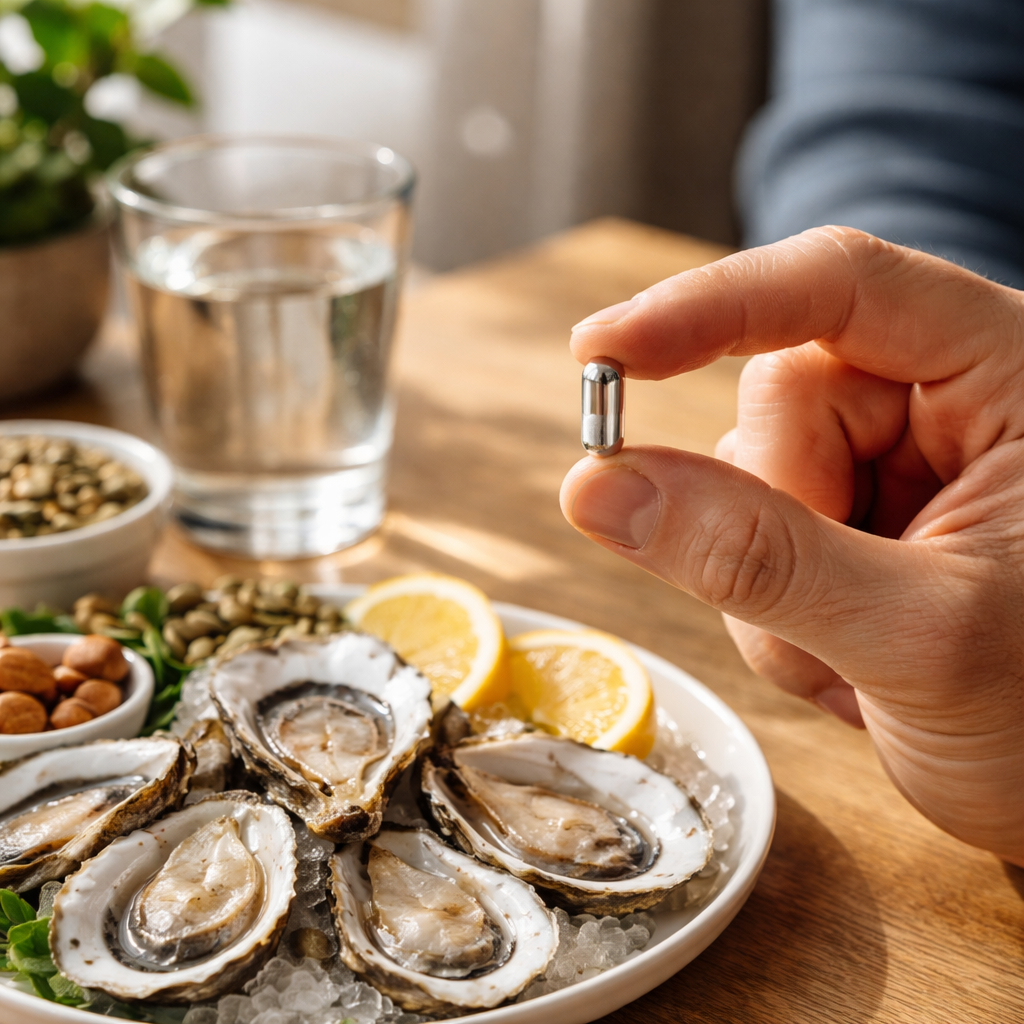
So, how much zinc do you really need? Most men feel better around 15 mg a day. That’s about the amount in a single serving of oysters or a handful of pumpkin seeds. If food alone doesn’t hit the target, a zinc supplement can fill the gap.
Here’s a quick test: check the label on your supplement bottle. Look for zinc picolinate or zinc citrate – they’re the forms that your body absorbs best. Take it with a meal that has protein; the protein helps pull the zinc into your bloodstream.
What about testing? If you’re unsure whether you’re low, a simple blood test can show you the exact level. Services that do at‑home hormone panels can give you a clear picture without a doctor's office visit. XLR8well offers personalized hormone testing that tells you exactly how much zinc you need.
Once you know your level, set a schedule. Take your zinc supplement at the same time each day – breakfast works for most men. Consistency is key; the body builds up a steady supply only when you don’t miss doses.
Watch how you feel after a couple of weeks. You may notice steadier energy, sharper focus, and a lift in mood. Those are the signs the zinc switch is finally on.
Pair the supplement with enough sleep, regular movement, and a diet that includes whole foods. The combo works like a small engine that fuels bigger gains.
Step 2: Choosing the Right Zinc Supplement Formulation
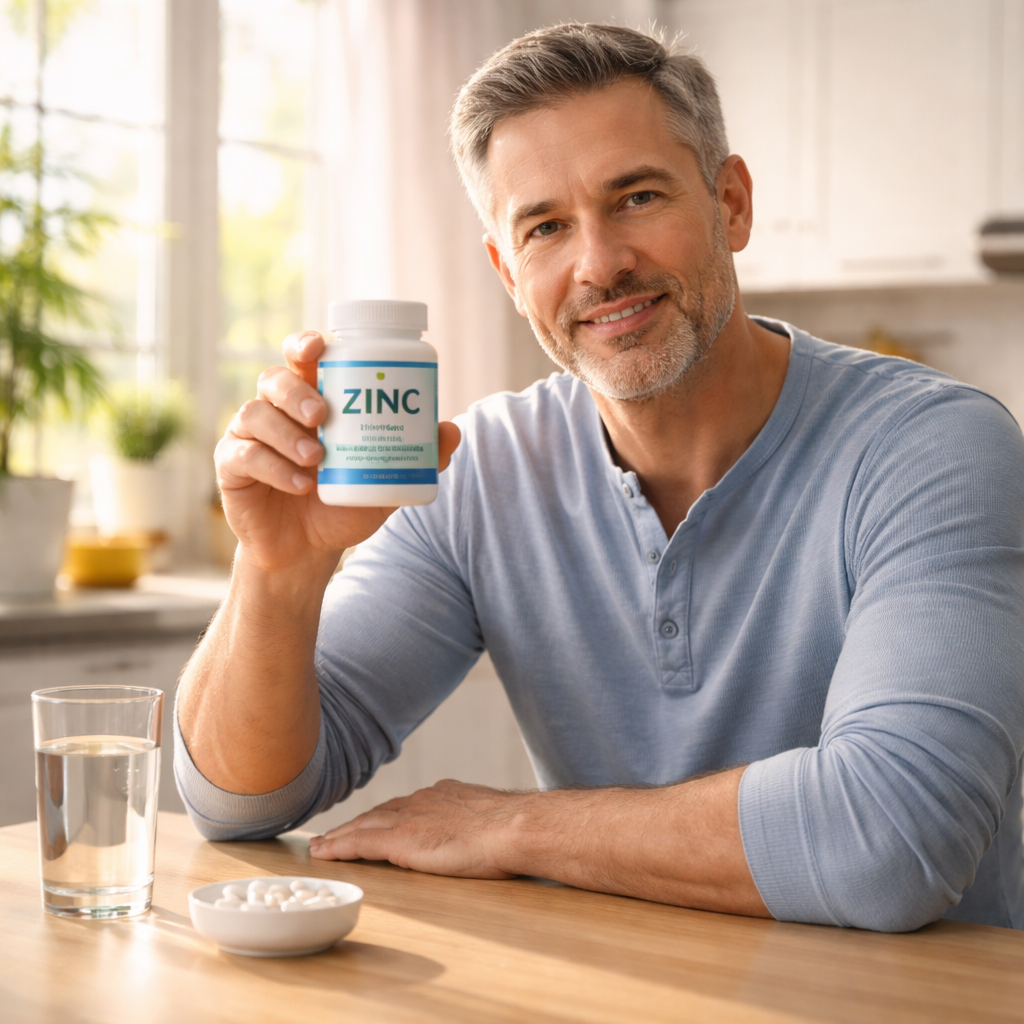
Now that you know you need zinc, the next move is picking the right type. Not all zinc is created equal, and the form you choose can change how much your body actually uses.
First, look for a chelated form. Zinc picolinate, zinc bisglycinate, and zinc citrate all score higher on absorption than zinc oxide. If you’re juggling a busy schedule, a capsule or tablet that delivers 15–30 mg of one of these forms is a solid bet.
Second, check the label for third‑party testing. A seal from NSF or UL tells you the product is free from fillers, heavy metals, and other junk that can dilute the benefit.
Third, match the dose to your needs. Most men over 40 aim for the RDA of 11 mg, but a modest bump to 20 mg can help fill gaps without hitting the 40 mg upper limit. If you’re also taking a multivitamin that already has zinc, dial back the extra pill.
Here’s a quick snapshot to help you compare:
| Form | Typical Dose | Absorption Rating |
| Zinc Picolinate | 15–30 mg | High |
| Zinc Bisglycinate | 15–30 mg | High |
| Zinc Citrate | 15–30 mg | Moderate |
Take your zinc pill with a protein‑rich meal. Food boosts uptake and cuts stomach upset. Avoid pairing it with high‑dose iron or calcium at the same time – they compete for the same transport channels.
Real‑world example: Mark, a 48‑year‑old trainer, switched from a generic zinc oxide tablet to a picolinate capsule. Within two weeks he felt steadier energy during workouts and didn’t experience the occasional nausea he used to get.
If you’re already using a multivitamin that covers the basics, you might only need a targeted zinc supplement. Our Men Over 40: Essential Nutrient Deficiencies & Fixes guide walks you through that decision.
Lastly, think about the bigger picture. Strong hormone health often pairs with a lean, defined physique. If you’re curious about body‑contouring options that complement your supplement plan, check out this CoolSculpting vs Liposuction guide for a quick overview.
Step 3: Proper Dosage and Timing for Optimal Hormone Support
Getting the dose right is the first half of the puzzle. Most men over 40 feel comfortable with 15–30 mg of zinc a day. That range hits the sweet spot between the RDA and the 40 mg upper limit where side effects start to show.
If you’re already on a multivitamin that contains zinc, trim the extra pill. The goal is steady, not spiking, levels.
How to time it for max hormone help
We like to keep it simple: take your zinc with a protein‑rich meal. Protein nudges the transport channels and keeps stomach upset at bay.
For those who can tolerate it, an empty‑stomach dose in the morning works well. It lets zinc hit the bloodstream before other minerals compete for absorption. The same article from Verywell Health notes that morning dosing on an empty stomach gives steady levels throughout the day.
If you notice a bit of nausea, split the dose. Half with breakfast, half with dinner. This still keeps daily intake in the right range but softens the gut impact.
Night‑time dosing can be a bonus when you’re chasing better sleep. Zinc plays a role in the body’s overnight repair cycle, so a small dose before bed may help skin and tissue recovery.
Step‑by‑step checklist
- Pick a chelated form – picolinate or bisglycinate – for high uptake.
- Set your daily goal: 15 mg if you’re just filling gaps, up to 30 mg if you’ve tested low levels.
- Take the first half with a protein breakfast (eg, eggs or Greek yogurt).
- Take the second half with dinner, or skip it if you felt fine in the morning.
- Avoid citrus juice within 30 minutes of a zinc pill; acid can block absorption.
- Don’t pair zinc with high‑dose iron or calcium at the same meal.
Stick to the same routine every day. Consistency beats timing quirks when you’re looking for hormone balance.
Finally, listen to your body. If you feel a metallic taste, nausea, or unusual fatigue, dial back the dose and talk to a health professional. A small tweak now can keep you on track for stronger testosterone, better mood, and faster recovery.
Step 4: Potential Side Effects and Interactions to Watch For
When you start a zinc supplement for male hormone health, a few quirks can pop up. The most common is a mild stomach upset. It usually shows up as a bit of nausea or a metallic taste. If that happens, try splitting the dose – half with breakfast, half with dinner. That keeps the total daily amount the same but eases the gut impact.
Another red flag is copper loss. High‑dose zinc (above 40 mg a day) can push copper out of balance, which may lead to fatigue or tingling in your hands. Keep your dose under the upper limit and pair zinc with a copper‑rich food like nuts or seeds if you stay on it long term.
Interactions you can’t ignore
Zinc likes to compete with iron, calcium, and magnesium for the same transport channels. If you take an iron pill or a calcium supplement at the same time, you’ll block zinc’s uptake. Space them out by at least two hours. The same goes for high‑dose magnesium – it can lower how much zinc your body absorbs.
Some antibiotics, especially quinolones (like Cipro) and tetracyclines (used for acne), bind to zinc and become less effective. If you’re on one of these meds, take zinc at a different time of day. A quick check with your doctor can save you a lot of hassle.
Quick checklist
- Start with 15‑30 mg of zinc a day, split across meals.
- Watch for nausea or a metallic taste – if it appears, reduce the dose.
- Avoid taking zinc with iron, calcium, or magnesium within 30‑60 minutes.
- Separate zinc from quinolone or tetracycline antibiotics by a few hours.
- If you stay above 40 mg daily, consider a copper source or talk to a health professional.
We’ve built our core formula to stay safely under the upper limit, and many of our users pair it with a balanced multivitamin that includes copper. For a deeper look at how our blend works, check out Ultra Test Natural Testosterone Support.
Beyond pills, skin health can also show how zinc is working. If you want an extra boost for skin repair, you might explore professional options like Sade Skin anti‑aging treatments, which complement the internal benefits of zinc.
Bottom line: listen to your body, keep doses reasonable, and separate zinc from competing minerals or meds. A small tweak now keeps you on track for stronger testosterone, better mood, and smoother recovery.
Conclusion
We’ve walked through how a zinc supplement for male hormone health can fill a key gap in the diet of men over 40. The main point? Keep the dose modest, take it with protein, and space it away from iron or calcium.
When you pair the right zinc form with a science‑backed multivitamin, you give your body the tools it needs to support testosterone, mood, and recovery. That small daily habit can mean steadier energy at the gym and sharper focus at work.
So what’s the next step? Check your food for zinc‑rich items, pick a chelated zinc capsule, and set a simple schedule: breakfast and dinner work well for most men. If you notice any stomach upset, split the dose or lower it a bit.
Remember, the goal isn’t a quick fix; it’s a steady, age‑specific boost that fits your life. Give your body the consistent support it deserves and watch the results add up.
FAQ
How much zinc should I take for male hormone health?
Most men over 40 do fine with 15 mg to 30 mg of elemental zinc each day. This sits just above the RDA of 11 mg and stays well under the 40 mg upper limit where side effects appear. If you already get zinc from a multivitamin, aim for the lower end of the range. Split the dose across meals to keep your stomach happy and absorption steady.
Can I take zinc with my multivitamin?
Yes, you can stack a zinc capsule with a science‑backed men’s multivitamin. Just check the label to see how much zinc the multivitamin already provides. If it’s 5 mg or less, add a 15 mg zinc pill and you’ll stay in the safe zone. Keep the two products apart from high‑dose iron or calcium by at least two hours.
Are there any side effects of a zinc supplement for male hormone health?
A zinc supplement is generally well tolerated, but a few things can pop up. The most common issue is a mild stomach upset or a metallic taste. If that happens, split the dose between breakfast and dinner. Taking more than 40 mg daily can knock down copper levels, so stay under the upper limit and consider a copper‑rich food if you stay on zinc long‑term.
How long before I see benefits?
You’ll usually notice a shift after two to four weeks of consistent use. Energy levels may feel steadier, workouts recover a bit quicker, and you might sense a subtle boost in mood. Keep a simple log of how you feel each day – a quick note in your phone works. If nothing changes after a month, check your blood work or talk to a health professional about tweaking the dose.
Does food affect zinc absorption?
Food makes a big difference. Zinc binds best when you eat it with protein, like meat, eggs, or dairy, which give the amino acids it needs to travel into cells. Avoid taking zinc with high‑dose iron, calcium, or large amounts of fiber at the same time; they compete for the same transport channels. A 30‑minute gap before or after those minerals keeps absorption high.
Should I avoid any medications when using zinc?
If you’re on antibiotics like quinolones or tetracyclines, zinc can lower their effectiveness. The trick is simple: take the antibiotic with water, then wait at least two hours before you pop your zinc pill, or vice‑versa. Same goes for prescription iron or calcium supplements. Spacing them out protects both the medicine and the mineral from fighting each other.