

Vitamin B12 Supplement for fatigued Men Over 50: A Practical Guide
If you’re past 50 and tired all the time, a missing vitamin could be the cause.
Vitamin B12 helps turn food into energy and keeps nerves working right. After 50 the body absorbs less B12, so fatigue sneaks in even when you eat well. Men who lift, run or chase kids often blame low stamina on age, but the real gap is usually a B12 shortfall.
One easy fix is a vitamin B12 supplement for men over 50 fatigue. Look for a form that’s methylated or sub‑lingual, because those get into the blood faster. Take the dose with breakfast and you’ll notice steadier energy within a week.
Real‑world example: Tom, 53, hit a wall at work and felt foggy after lunch. He added a daily B12 capsule to his routine and cut his afternoon crash in half. He says his mood lifted and his gym sessions felt smoother.
Here’s a quick three‑step plan:
- Check a blood test for B12 levels or ask your doctor to screen.
- Choose a supplement that provides at least 500 µg of methylated B12.
- Pair the pill with vitamin‑rich foods like eggs, lean meat or fortified cereals.
Don’t forget that B12 works best when other gaps are filled too. Our B‑12 drops give a fast‑acting boost and fit right into a daily multivitamin routine.
For a broader energy plan, consider a coach who looks at sleep, stress and movement. A partner like XLR8well can add habit tracking and lifestyle tweaks that make the supplement work even better.
Table of Contents
- Step 1: Understand Why Fatigue Occurs After 50
- Step 2: Assess Your B12 Levels
- Step 3: Choose the Right Vitamin B12 Supplement
- Step 4: Incorporate the Supplement into Your Daily Routine
- Step 5: Monitor Progress and Adjust as Needed
- Conclusion
- FAQ
Step 1: Understand Why Fatigue Occurs After 50
When you hit the half‑century mark, your body starts to run on less fuel. One of the biggest culprits is a drop in vitamin B12 absorption. Your stomach makes less acid, so the vitamin stays stuck in food instead of entering the blood.
Low B12 means your red blood cells can’t carry enough oxygen. That shows up as that heavy‑eyed feeling at 2 p.m., or the need to nap after a short walk. It’s not just “getting old”; it’s a chemistry shift you can fix.
Think about it this way: your cells are tiny engines. Without enough B12, the spark that turns food into power fizzles. The result? Slow‑moving muscles, foggy thoughts, and a mood that feels flat.
Here’s what to look for: frequent tiredness that doesn’t improve with coffee, tingling in your hands or feet, and a hard time remembering names. Those signs point to a B12 shortfall.
Getting a clear picture starts with a simple blood test. Ask your doctor to check serum B12 levels. If they’re low, a methylated or sub‑lingual B12 supplement is the fastest route to relief.
Pair the supplement with foods that boost absorption, think eggs, lean meat, or fortified cereal. And don’t forget the bigger picture: sleep, stress, and movement all play a part.
If you want a guide that pulls everything together, a coach at XLR8well can map out habit tweaks that keep the B12 working right.
 Step 2: Assess Your B12 Levels
Feeling drained after lunch? Your B12 level could be the hidden culprit. A simple blood test tells you if you’re low enough to need a vitamin B12 supplement for men over 50 fatigue.
Doctors look at serum B12 first. Values under 200 pg/mL usually signal a deficiency. If you land between 200 and 300 pg/mL, they may check methylmalonic acid (MMA) or homocysteine to confirm the gap. The NIH Office of Dietary Supplements explains these cutoffs and why MMA is the most sensitive marker NIH Office of Dietary Supplements.
Step one: schedule a lab draw. Fast for eight hours if your doctor asks, it’s quick and painless. Bring a list of meds, especially proton-pump inhibitors or metformin, because they can lower absorption.
Step two: review the results with your clinician. If the report shows low B12, ask whether a higher-dose sub-lingual or methylated form is right for you. If the numbers are borderline, the doctor may suggest a trial of a supplement and retest in a month.
Step three: track how you feel. Note energy spikes, any tingling in hands, or mood changes. A short diary helps you and your doctor see if the vitamin B12 supplement for men over 50 fatigue is making a difference.
Remember, the test is just the start. Knowing your baseline lets you pick the right dosage, avoid unnecessary injections, and get steady stamina back. For more on why testing matters, see the WebMD guide on B12 testing WebMD guide on B12 testing.
Step 3: Choose the Right Vitamin B12 Supplement
Now that you know your levels, pick a supplement that fits your body.
First, look at the form.
Methylcobalamin is the active version that your cells use right away.
It works well under the tongue or in a fast‑dissolve tablet.
Cyanocobalamin is cheaper but needs to change in the liver first.
Second, check the dose.
Most men feel good with 500 µg to 1000 µg per day.
If your doctor says you have trouble absorbing, a higher dose or a sub‑lingual spray can help.
Third, demand quality.
Choose a product that is third‑party tested, has no unnecessary fillers, and lists each ingredient clearly.
Here’s a quick checklist you can write down:
- Form: methylcobalamin or sub‑lingual
- Strength: 500‑1000 µg daily
- Testing: USP, NSF, or third‑party lab report
- Price: compare cost per serving
Real‑world example: Mark, 57, tried a 500 µg sub‑lingual tablet.
After two weeks he noticed less afternoon slump and sharper focus at work.
If you want a broader view of age‑specific nutrients, read our guide to supplements for men over 40.
It shows how B12 works with vitamin D, magnesium and zinc.
Lastly, think about the big picture.
A solid B12 plan protects your energy now and helps you stay active for years.
It also reduces stress on your heart and nerves, which can keep future health costs down.
For peace of mind beyond health, consider a financial safety net like life insurance for business partners to protect your family and your future.
Step 4: Incorporate the Supplement into Your Daily Routine
Turn your vitamin B12 supplement for men over 50 fatigue into a habit you already have. Pick a moment you never skip – breakfast, a post‑workout shake, or your first coffee.
If you use a sub‑lingual tablet or spray, let it melt under your tongue as you sip water. It only takes a minute, and the vitamin hits your bloodstream fast.
For a capsule, swallow it with a protein‑rich meal. The food helps protect the vitamin from stomach acid that may be low at this age.
Keep a simple log. Note the time you take the supplement and how you feel after a few days. A quick “energy” column lets you see patterns without a fancy app.
Pair the dose with B‑rich foods – eggs, lean meat, or fortified cereal. That adds a small dietary boost and makes the routine feel natural.
Adjust if you notice a dip. Some men need a higher dose on workout days or when meds interfere with absorption. Talk to your doctor if you’re unsure.
Remember, consistency beats occasional mega‑doses. Your body builds a steady B12 pool, and fatigue fades.
Older adults often need supplemental B12 according to Healthline. WebMD notes that B12 absorption drops with age, so timing matters.
| When | Form | Quick tip |
| Morning with breakfast | Capsule | Take with protein |
| Mid‑day break | Sub‑lingual tablet | Let melt, no water needed |
| Post‑workout | Spray | Apply before rehydrating drink |
Step 5: Monitor Progress and Adjust as Needed
Now that you’ve locked in the habit, it’s time to watch the results.
Pick a notebook or the notes app on your phone. Write the time you take your vitamin B12 supplement for men over 50 fatigue and a rating of how you feel. One‑word notes work, “sharp”, “sluggish”, “steady”.
Track three basics: energy (1‑5 scale), sleep quality, and any tingling in hands or feet. Patterns emerge after a few days. Remember, B12 builds a pool in your blood, so changes show up after 5‑7 days, not after the first dose.
If you notice a dip, try a tweak. Move the dose to right after a protein‑rich breakfast, or split the dose, half in the morning, half after a workout. A modest increase in micrograms may help, but only after a chat with your doctor.
When you’re unsure, check the science. WebMD explains how B12 supports energy and nerve health, reinforcing why consistent dosing matters.
Adjustments are simple: if energy stays low after two weeks, raise the dose or add a sub‑lingual spray on workout days. If sleep feels rough, try taking the supplement earlier in the day.
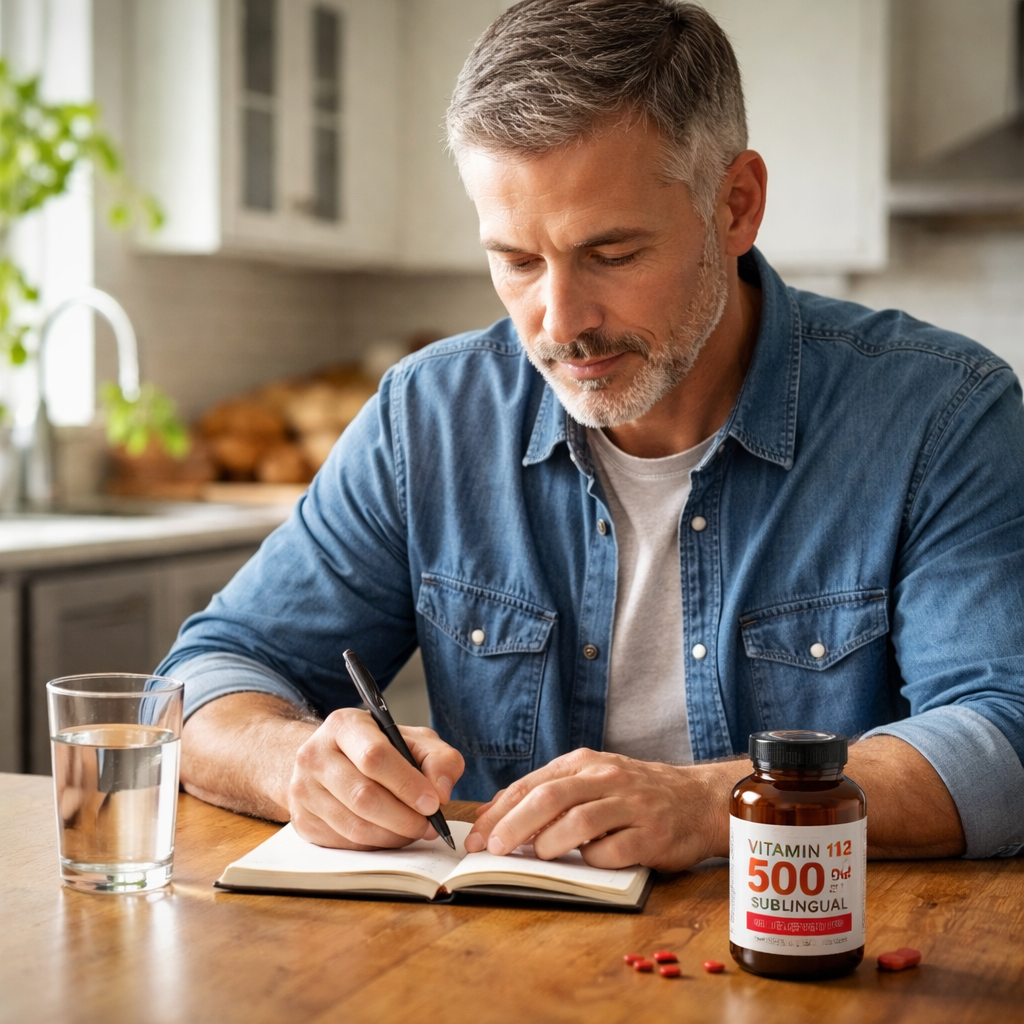 Take a quick look at your log each Sunday. Spot any days that consistently feel low and note what was different, maybe a late dinner or a missed workout.
Keep the log short, stay consistent, and let the data guide you. Small tweaks keep fatigue at bay and let your body run on steady fuel.
Conclusion
We've walked through why a vitamin B12 supplement for men over 50 fatigue can be the missing link in your daily routine. If you still feel a slump after a week, check your log. Note the time you take the pill, what you ate, and how you felt.
Next step: try a small dose tweak – add a half‑tablet in the afternoon or switch to a sub‑lingual spray on workout days. Watch the pattern for five to seven days before deciding.
When the changes settle, think about a quick blood test or a simple at‑home DNA test to see if you have a hidden nutrient gap. A tool like an affordable DNA quantification device can point out exactly what you need.
Finally, keep the routine steady and let the science guide you. For a deeper look at the other nutrients that support energy, see our best supplements for men over 40. Stay consistent and watch fatigue fade.
FAQ
Do I really need a vitamin B12 supplement for men over 50 fatigue?
If you feel a steady slump after lunch, notice tingling in your hands, or have trouble keeping up at the gym, a B12 gap could be the cause. A quick blood test will show if your serum B12 is low. Even if your diet looks good, absorption drops after 50, so a supplement often fills the missing piece.
Which B12 form works best for a man in his 50s?
Methylcobalamin and sub‑lingual tablets are the top choices. They enter the bloodstream directly, bypassing the weaker stomach acid we get with age. This means you get a faster boost in energy and nerve health. A spray works the same way, but the tablet is easiest to keep at home.
What daily dose should I aim for?
Most men feel a solid lift with 500 µg to 1000 µg per day. If your doctor sees a borderline level, they may suggest a short trial of a higher dose, then retest after a week. Start at the lower end, track how you feel, and adjust only under medical guidance.
Can I stack B12 with my other supplements?
Yes. B12 plays well with vitamin D, magnesium, and zinc – the three nutrients we often see men over 50 miss. Just take B12 with a protein‑rich meal or under the tongue, and keep the other pills with food. Space out any iron or calcium supplements by a couple of hours to avoid competition for absorption.
How soon will I notice more energy?
Because B12 jumps straight into the blood, many men feel a lift in 2‑3 days. Full stamina returns after 5‑7 days as your body builds a steady B12 pool. Keep a short log of when you take the dose and how you feel; patterns become clear fast.
Are there any side effects I should watch for?
B12 is water‑soluble, so excess leaves the body in urine. Most men experience no issues. Rarely, a high dose can cause mild stomach upset or a bright yellow urine color – both harmless. If you notice a rash or persistent nausea, stop and check with your doctor to rule out an allergy.