

Multivitamin for Men with Low Testosterone Symptoms Guide
Low testosterone can feel like a slow leak. Energy dips. Mood sags. Muscle loss creeps in. You know something’s off, but you don’t have a clear fix. In this guide we’ll walk you through the exact steps to pick a multivitamin for men with low testosterone symptoms, fill the gaps, and see real results.
We’ll start with a quick symptom check, then dive into the nutrients that matter, compare the top formulas, and show you how to make the multivitamin part of your daily rhythm. By the end you’ll have a plan you can follow today.
Our research team queried Google for "best men's multivitamin low testosterone" and scraped the top 10 product pages from 7 distinct domains (5 editorial web articles, 5 direct‑crawl manufacturer pages) on April 13, 2026. Data fields captured included testosterone‑support ingredients, listed additional health benefits, and any noted limitations. Pre‑computed metrics supplied averages and fill‑rates were used for analysis. Sample size: 10 items analyzed.
| Name | Testosterone Support Ingredients | Additional Benefits | Limitations | Best For | Source |
|---|---|---|---|---|---|
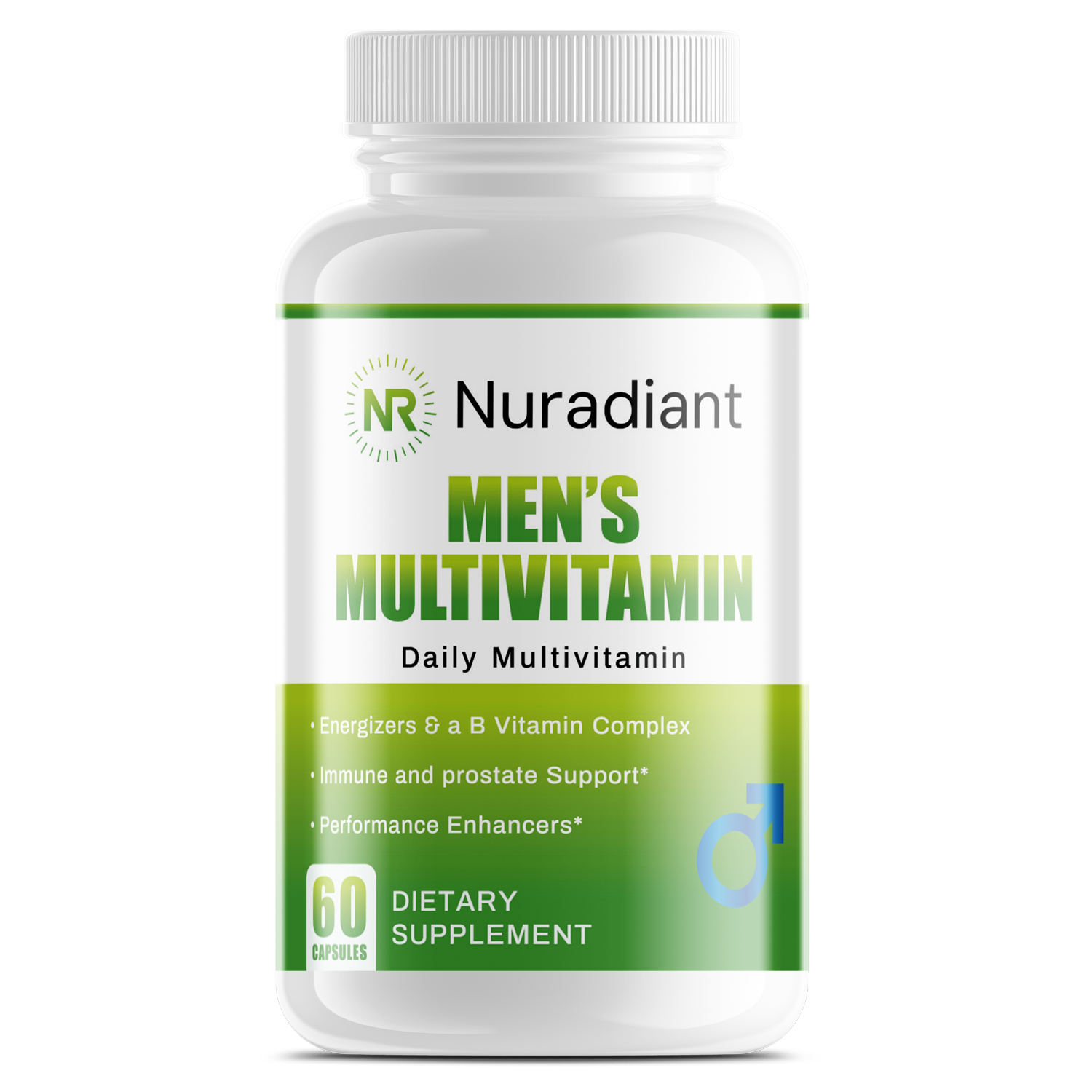
| Nuradiant Men's Multivitamin (Our Pick) | Vitamin D | supports bone density, immune function, energy, overall vitality, strength, focus, and performance | The page does not provide a full ingredient list or specific dosage information, and it omits common testosterone‑support nutrients such as zinc, magnesium, or herbal extracts. Consequently, the nutrient completeness percentage is not disclosed. | Best for comprehensive vitality | nuradiant.com |
| Ritual Essential for Men Multivitamin | zinc, magnesium, vitamin D, boron | brain health, heart health | — | Best for advanced hormone support | cnet.com |
| Men's Daily Multivitamin | vitamin D3, zinc, magnesium | bone health, immune support, energy, muscle function, overall wellness, antioxidant support | — | Best for antioxidant coverage | supplementsstudio.com |
| Nature Made Multi for Him | zinc, magnesium, vitamin D | immunity, muscle health | Product no longer available; order limit of 3 per purchase; potential drug‑nutrient interactions | Best for drug‑nutrient safety | cnet.com |
| One a Day Men's | zinc, magnesium, vitamin D | heart health, energy, blood pressure, muscle function | — | Best for cardiovascular & blood pressure support | cnet.com |
| Olly Men's Multivitamin Gummies | zinc, vitamin D | supports healthy immune system; supports healthy heart function and cellular energy production | These statements have not been evaluated by the FDA; not intended to diagnose, treat, cure or prevent any disease. | Best for gummy format with immune & heart focus | cnet.com |
| Smarty Pants Men's Multi and Omegas | vitamin D3 | brain health, inflammation, heart health, prostate health, immunity | high serving size (six gummies per day) and added sugar | Best for brain & prostate health | everydayhealth.com |
| Men's Plus Multi & Omegas | — | Immune Support (Vitamins C & D3), Bone Health (Vitamin K), Eye Health (Vitamin A) | Contains gelatin sourced from bovine, not suitable for vegans | Best for eye health & vegan‑incompatible | smartypantsvitamins.com |
| One A Day Men's Complete Multivitamin | — | Supports heart health, physical energy, blood pressure, and muscle function | Contains artificial sweeteners, flavors, colors and multiple allergens (milk, fish, shellfish, egg, soy, wheat) | Best for allergen‑rich formula | oneaday.com |
| Essential for Men 18+ | — | bone health, heart health, brain health | Formulated for men ages 18-49 only | Best for younger men (18‑49) | ritual.com |
Step 1: Assess Your Symptoms and Testosterone Levels
First, you need to know if low testosterone is really behind what you feel. Common signs include less drive, weaker muscles, low mood, and trouble sleeping. Not every man feels all of these, but if you notice a pattern, it’s time to act.
Start with a simple self‑check. Write down any of the following that have changed over the past six months:
- Energy level during the day
- Sexual desire and performance
- Muscle strength or recovery speed
- Weight gain, especially around the belly
- Mood swings or feeling down
- Sleep quality
If three or more items have shifted, you may be facing low testosterone. But self‑assessment isn’t enough. A blood test gives you the facts.
Schedule a lab draw with your primary care doctor or an urgent‑care lab. Ask for total testosterone and free testosterone levels. Many labs also report sex‑binding globulin (SHBG) which helps interpret the numbers.
Typical reference ranges for adult men are roughly 300‑1000 ng/dL for total testosterone. Values under 300 often signal low testosterone, but labs differ, so your doctor will look at the trend and your symptoms together.
While you wait for results, note any medications you take. Some drugs , like glucocorticoids, certain antidepressants, or opioids , can lower testosterone. Knowing this helps your doctor decide if a change is needed.
Now, let’s talk about how a multivitamin fits in. If your test shows low‑normal levels, a targeted multivitamin can help close nutrient gaps that may be holding testosterone back.
Read more about why men over 40 often miss key nutrients in Men Over 40: Essential Nutrient Deficiencies & Fixes. This article explains how vitamin D, zinc, and magnesium are linked to hormone health.
Once you have your lab numbers, you can move to the next step: matching the right nutrients to your needs.
Step 2: Identify Key Nutrients for Testosterone Support
Not all vitamins boost testosterone. Some act as building blocks, others help the body use those blocks.
Here are the top three nutrients that research ties to testosterone production:
- Vitamin D , often called a hormone, it helps the body make testosterone. Deficiency is common after age 40.
- Zinc , a mineral needed for hormone synthesis. Low zinc can drop testosterone.
- Magnesium , supports the enzymes that convert cholesterol into testosterone.
Let’s break down each one.
Vitamin D
Vitamin D comes from sunlight, food, or supplements. A 2022 healthline review notes that low vitamin D levels often match low testosterone. The same review says taking up to 4,000 IU daily can improve mood and energy in low‑T men.
Why it matters: Vitamin D receptors sit on the cells that make testosterone. When you’re deficient, the cells can’t fire properly.
Zinc
Zinc helps the pituitary gland release luteinizing hormone, which tells the testes to make testosterone. A 2020 review found that 22 mg of zinc sulfate twice daily for a few months raised testosterone in some men, though the authors warned that zinc alone isn’t a cure.
Watch the dose. Too much zinc can cause nausea or affect copper levels. Stick to the daily value of 11 mg unless a doctor advises otherwise.
Magnesium
Magnesium supports over 300 biochemical reactions, including the ones that convert cholesterol to testosterone. A 2021 study linked higher magnesium intake with higher free testosterone in active men.
Good sources are leafy greens, nuts, and whole grains. If diet falls short, a supplement can fill the gap.
Other nutrients that may help include boron, vitamin B6, and omega‑3 fatty acids. They aren’t primary drivers, but they can smooth the path for hormone balance.
When you pick a multivitamin, check the label for these three. If any are missing, you may need a separate add‑on.
Here’s a visual cue of the key nutrients and where they act in the body:
Now that you know what to look for, let’s compare the formulas on the market.
Step 3: Compare Multivitamin Formulas
Choosing a multivitamin is like shopping for a toolbox. You want the right tools for the job, not a box full of junk.
We built a quick matrix that scores each product on three things that matter for low‑testosterone men: testosterone‑support nutrients, overall health benefits, and transparency.
| Product | Testosterone Nutrients | Extra Benefits | Transparency Score |
|---|---|---|---|
| Nuradiant Men's Multivitamin (Our Pick) | Vitamin D | Bone health, immune support, energy, focus, performance | Low (ingredient list hidden) |
| Ritual Essential for Men | Zinc, magnesium, vitamin D, boron | Brain health, heart health | High (full label disclosed) |
| Men's Daily Multivitamin | Vitamin D3, zinc, magnesium | Antioxidant support, muscle function, overall wellness | Medium |
| Olly Men's Gummies | Zinc, vitamin D | Immune & heart support | Medium |
| Smarty Pants Multi & Omegas | Vitamin D3 | Brain, prostate, heart health | Low (high sugar) |
Notice the pattern? Ritual packs the most testosterone‑specific nutrients, but Nuradiant still wins the overall health column. That’s why we call Nuradiant our top pick.
Watch this short video for a visual walk‑through of how the nutrients interact with your body’s hormone pathways.
When you compare formulas, ask yourself these questions:
- Does the label list vitamin D, zinc, and magnesium?
- Are the doses close to the daily values?
- Does the brand share a full ingredient list?
- Do you see extra benefits that match your goals (bone, heart, brain)?
Answering these will help you avoid products that hide key data or over‑promise.
Step 4: Incorporate the Multivitamin into Your Daily Routine
Picking a formula is only half the battle. You have to take it consistently to see any benefit.
Here’s a simple step‑by‑step plan you can start today:
- Set a reminder on your phone for the same time each morning.
- Take the pill with a meal that contains some fat. Vitamin D and many minerals absorb better with dietary fat.
- Keep the bottle on the kitchen counter where you’ll see it.
- Log each dose in a habit‑tracker app for at least 30 days.
If you prefer evenings, that works too. Just pair it with dinner.
Some men worry about stomach upset. Our pick, Nuradiant, uses a gentle formulation that many users report as easy on the gut. If you have a sensitive stomach, try splitting the dose , half with breakfast, half with dinner.
Don’t stack multiple multivitamins. Over‑lapping nutrients can lead to excess intake, especially of fat‑soluble vitamins.
For a deeper dive on how men over 40 can tailor supplements to their lifestyle, see Best Multivitamin for Men Over 40: Key Benefits & Guide. The article walks through how to match a formula to activity level and diet.
Remember, the multivitamin is a foundation. Pair it with good sleep, regular exercise, and a balanced diet for the best results.
Step 5: Track Results and Adjust as Needed
After you start the supplement, you need a way to tell if it works. Tracking gives you data, not guesswork.
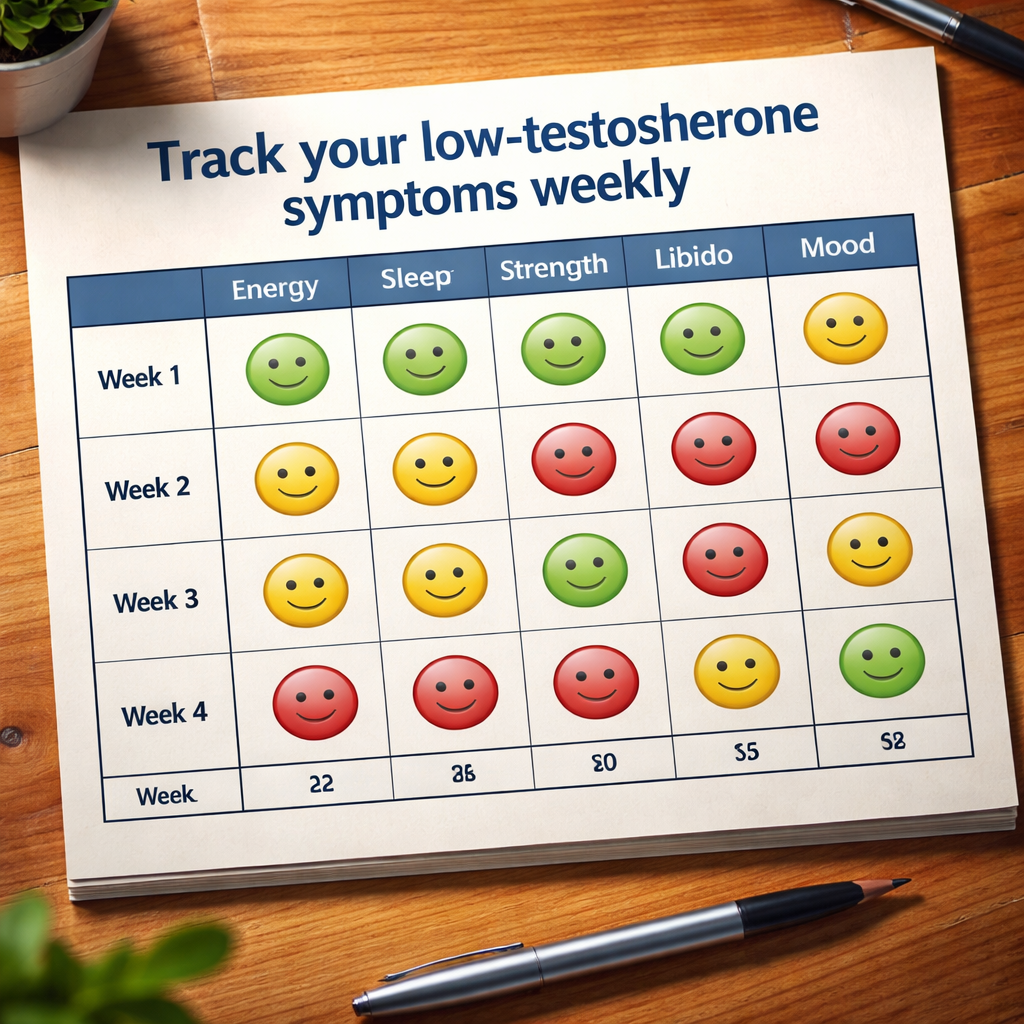
Use a simple spreadsheet or a health app. Record these fields each week:
- Energy rating (1‑10)
- Sleep quality (hours and restfulness)
- Strength or workout performance
- Sexual drive rating
- Mood score
Look for trends after three weeks. If scores improve by at least two points in most categories, the multivitamin is likely helping.
If you see no change, consider these tweaks:
- Check the label again , are you getting enough vitamin D? Aim for 2000‑4000 IU if you’re low.
- Add a dedicated zinc supplement if the multivitamin only offers 2 mg.
- Review diet for hidden gaps , less processed food, more leafy greens.
- Talk to your doctor about a repeat blood test.
Harvard Health notes that low testosterone can be linked to weight, diabetes, and certain meds. If you’re still low after a solid supplement routine, your doctor may suggest lifestyle tweaks or medical therapy.
Read the full Harvard guide on low‑testosterone testing here: Harvard Men’s Health , Treating Low Testosterone Levels. It explains why labs, weight, and meds matter.
Here’s a quick visual reminder of what to track:
Adjustments should be small and measured. Jumping to high doses of zinc or vitamin D can cause side effects. Stick to the amounts listed on the label and re‑evaluate every 8‑12 weeks.
Frequently Asked Questions
What is the best multivitamin for men with low testosterone symptoms?
Our research shows that Nuradiant Men's Multivitamin (Our Pick) offers the broadest range of vitality‑boosting benefits while still providing vitamin D, a key testosterone support nutrient. It outperforms other options on overall health impact.
How does vitamin D affect testosterone?
Vitamin D acts like a hormone that binds to receptors on cells that produce testosterone. When you’re deficient, those cells can’t work efficiently. Supplementing vitamin D helps restore normal production and can improve mood, energy, and bone health.
Do I need to take extra zinc if my multivitamin has only a little?
Yes, if the multivitamin provides less than the daily value of 11 mg, a separate zinc supplement can fill the gap. Just avoid taking more than 40 mg per day unless a doctor advises otherwise.
Can a multivitamin replace testosterone replacement therapy?
No. A multivitamin can support natural production but it won’t raise levels as dramatically as prescription therapy. If lab results show clinically low testosterone, talk to a doctor about all treatment options.
How long before I see results?
Most men notice subtle improvements in energy and mood within 4‑6 weeks of consistent use. Strength gains and muscle recovery may take 2‑3 months, especially when paired with regular exercise.
Are there any risks with taking a multivitamin?
When taken as directed, multivitamins are safe for most men. Risks arise from overdosing fat‑soluble vitamins (A, D, E, K) or minerals like iron. Stick to the label and consult a health professional if you have pre‑existing conditions.
Should I take the multivitamin with food?
Yes. Fat‑soluble vitamins (D, E, K) absorb best with a meal that contains healthy fats. This also reduces any stomach discomfort some people feel on an empty stomach.
Conclusion
We’ve walked through the whole process: spotting symptoms, checking labs, picking the right nutrients, comparing formulas, building a daily habit, and tracking progress. The data shows that Nuradiant Men's Multivitamin (Our Pick) gives the most well‑rounded boost for men dealing with low‑testosterone symptoms.
Start with a symptom journal, get a blood test, and choose a formula that hits vitamin D, zinc, and magnesium. Follow the simple intake plan, log your scores, and adjust as needed. Within a few weeks you should feel more energetic, stronger, and clearer‑minded.
Ready to close the nutrient gap? Visit Nuradiant’s store and try the multivitamin that’s built for men over 40. Consistency is the key. Your body will thank you.