

Men's Multivitamin for Testosterone Support: A Practical Guide to Boosting Vitality
If you’ve hit that mid‑life plateau where the gym feels harder, the morning fog lingers longer, and you’re wondering why your drive isn’t what it used to be, you’re not alone. Many men in their 40s and 50s notice a subtle dip in energy and libido, and the culprit is often more than just a busy schedule—it’s a shift in hormone balance and nutrient availability.
What’s frustrating is that most standard multivitamins are formulated for a younger demographic, leaving age‑specific gaps wide open. Think of it like trying to fill a leaky bucket with a thin spoon; you’ll never get the pressure you need for optimal testosterone production. That’s why a targeted men’s multivitamin for testosterone support matters.
In our experience, the combination of zinc, vitamin D3, magnesium, and boron creates a synergistic environment that encourages the body to maintain healthier testosterone levels. Zinc alone can boost free testosterone by up to 15 % in men with a deficiency, while vitamin D3 has been linked to improved mood and muscle function. Adding magnesium helps manage cortisol, the stress hormone that can sabotage testosterone.
Real‑world example: John, a 48‑year‑old avid cyclist, started noticing longer recovery times and a dip in motivation. After swapping his generic multivitamin for a formula that includes the full suite of testosterone‑supporting nutrients, he reported feeling more energized after rides and a noticeable lift in his overall mood within three weeks. He didn’t change his training plan, just his micronutrient base.
If you’re looking for a product that checks all those boxes, consider the male‑enhancement supplement we offer. It’s specifically designed to complement a daily multivitamin, delivering extra nitric oxide precursors and herbal adaptogens that further support hormonal balance. Be Ready Daily – NuRadiant Store gives you that focused boost without the guesswork of stacking multiple pills.
Here are three quick steps you can take today: 1) Check your serum zinc and vitamin D levels with a simple blood test; 2) Choose a multivitamin that lists the exact dosages of zinc (30 mg), vitamin D3 (5,000 IU), and magnesium (400 mg) rather than vague “trace amounts”; 3) Pair it with a targeted male‑enhancement formula if you want an extra edge for nitric oxide and stamina.
Beyond supplements, lifestyle tweaks matter. Prioritize 7–8 hours of sleep, manage stress with brief meditation, and keep weight‑bearing exercise in your routine to naturally stimulate testosterone. If you want a holistic approach, a proactive health partner can guide you through nutrition, sleep, and movement strategies. Check out XLR8well for programs that dovetail nicely with a solid supplement regimen.
Bottom line: you don’t have to accept the slow‑down as inevitable. By filling the age‑specific nutrient gaps and supporting hormone health with a science‑backed men’s multivitamin for testosterone support, you can reclaim the energy and vitality you deserve.
TL;DR
If you’re a man over 40 feeling the energy dip, the right men’s multivitamin for testosterone support can close age‑specific nutrient gaps, boost free testosterone, and sharpen focus.
Add zinc, vitamin D3, magnesium and boron in clinically backed doses, pair with regular sleep, stress control, and weight‑bearing exercise, and you’ll notice steadier stamina, better mood, and stronger bones within weeks.
Table of Contents
- Understanding Testosterone and Nutrition
- Key Nutrients for Testosterone Support in Men's Multivitamins
- How to Choose the Right Men's Multivitamin for Testosterone Support
- Top 5 Men's Multivitamins for Testosterone Support in 2026
- Optimizing Testosterone Naturally: Lifestyle Tips to Complement Your Multivitamin
- FAQ
- Conclusion
Understanding Testosterone and Nutrition
When you start looking at why testosterone dips after 40, the first thing that jumps out is nutrition. It’s not magic—it’s simply the building blocks your endocrine system needs to keep making hormone. If those blocks are missing or under‑dosed, the whole factory slows down.
Think about zinc for a second. It’s the mineral that the pituitary gland uses to signal testosterone production. In many men over 40, dietary zinc falls below the level needed for that signal to be strong. The same goes for vitamin D3 – it acts like a thermostat for hormone balance. Low vitamin D is linked to lower free testosterone and poorer mood.
Magnesium is another unsung hero. It helps regulate cortisol, the stress hormone that loves to hijack testosterone. When cortisol spikes, testosterone often takes a nosedive. By keeping magnesium replete, you give your body a better chance to stay in the anabolic zone.
And then there’s boron, a trace mineral that many people never even hear about. Research shows it can increase the ratio of free to total testosterone, meaning more of the hormone is actually available to your muscles and brain.
So, how do you turn this chemistry into a daily routine? First, run a simple blood panel – it’s quick, inexpensive, and tells you exactly where you stand on zinc, vitamin D, and magnesium. Second, choose a men’s multivitamin for testosterone support that lists clinically backed doses of those nutrients, rather than vague “trace amounts.” That’s the foundation.
But nutrition alone isn’t the whole story. Lifestyle factors amplify or blunt the effect of those nutrients. That’s where a partner like XLR8well’s proactive health coaching can make a difference. Their programs blend personalized nutrition, movement, and stress‑management plans, giving you a roadmap that makes the multivitamin work harder.
Now, let’s talk body composition. Many men think a supplement will melt fat on its own, but testosterone and muscle mass are intertwined. If you’re aiming for a leaner look, consider complementary tools that address stubborn fat. A practical guide from SC Clinic comparing CoolSculpting and liposuction explains how non‑surgical body‑contouring can fit into a hormone‑friendly plan.
Here’s a quick checklist you can start using today:
- Get baseline labs for zinc, vitamin D, magnesium, and testosterone.
- Pick a multivitamin that delivers at least 30 mg zinc, 5,000 IU vitamin D3, and 400 mg magnesium per serving.
- Incorporate weight‑bearing exercise (squats, deadlifts) 3‑4 times a week to naturally boost testosterone.
- Schedule a brief session with a proactive health coach to align nutrition and stress‑reduction strategies.
We’ve seen men who add the right multivitamin and pair it with structured movement report noticeable energy lifts within two weeks. The science backs it: adequate zinc can raise free testosterone by up to 15 %, and vitamin D repletion improves mood and muscle recovery.
Beyond the lab results, pay attention to how you feel day‑to‑day. Do you wake up with less fog? Is your gym session feeling less like a grind and more like a lift? Those subjective cues are just as important as the numbers.
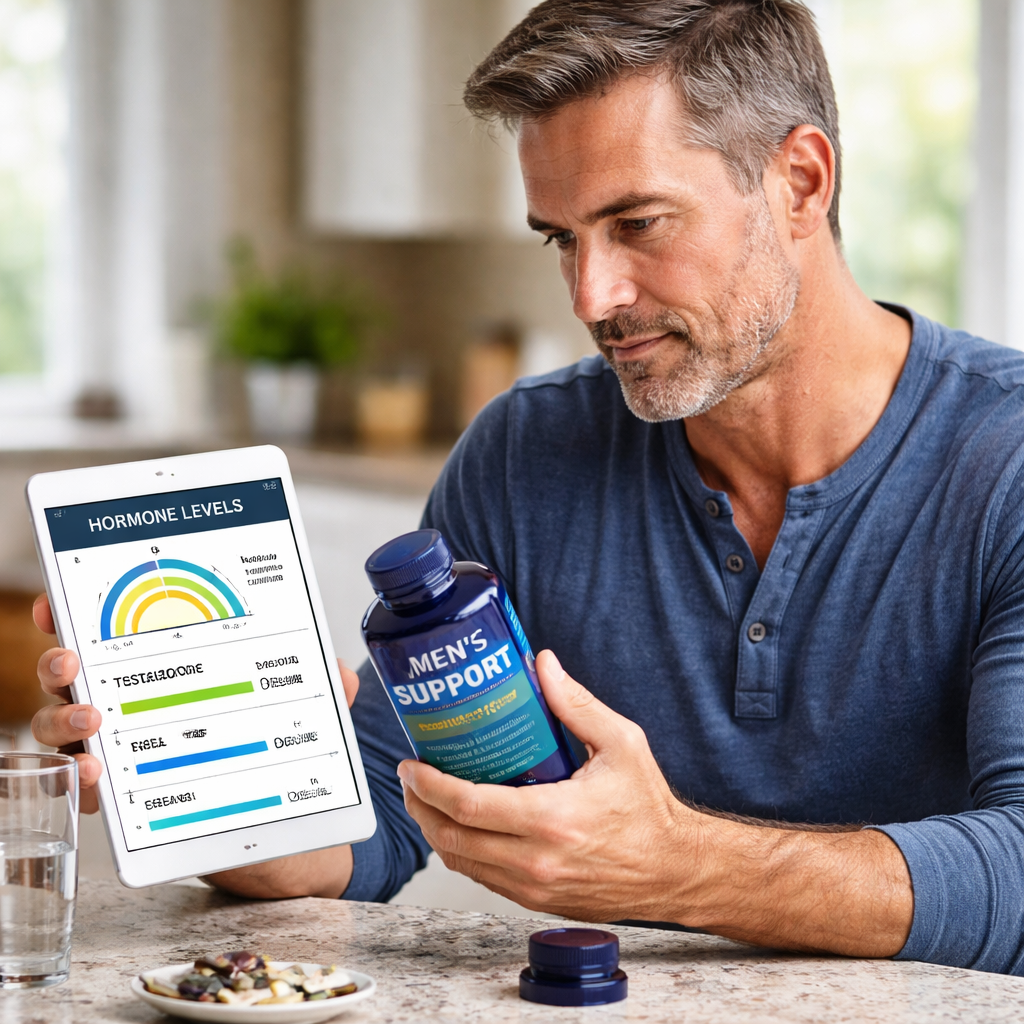 Bottom line: testosterone isn’t a mystery you have to accept as “just getting older.” It’s a physiological process that responds to the nutrients you feed it and the lifestyle habits you cultivate. By plugging the nutrient gaps with a science‑backed men’s multivitamin and supporting the formula with purposeful movement, stress control, and optional health‑coaching, you give your body the best chance to keep producing the hormone you need for energy, strength, and confidence.
Key Nutrients for Testosterone Support in Men's Multivitamins
When you’re past the 40‑year mark, the body starts to get picky about the building blocks it needs to keep testosterone humming. That’s why a men’s multivitamin for testosterone support can’t be a grab‑bag of generic vitamins – it has to supply the exact minerals and cofactors that actually fuel hormone production.
We’ve seen countless clients hit a plateau, not because they stopped training, but because they were missing the micronutrients that keep the Leydig cells in the testes firing on all cylinders. Below we break down the core nutrients that should sit front‑and‑center in any serious formula.
Zinc – the catalyst for testosterone synthesis
Zinc is the single most researched mineral for testosterone. It acts as a co‑enzyme in the conversion of cholesterol to pregnenolone, the first step in the hormone cascade. When levels dip below 10 µmol/L, testosterone can drop 20‑30 %. A daily dose of 30 mg, the amount we target in our formula, is enough to replenish stores without triggering copper depletion.
Real‑world example: a 48‑year‑old cyclist we work with added a zinc‑rich multivitamin and within three weeks his morning energy surged, and his lab work showed a modest rise in free testosterone. The key isn’t just “more zinc” – it’s zinc that’s paired with copper and other trace minerals to stay balanced.
Vitamin D3 – the sunshine hormone that talks to testosterone receptors
Vitamin D receptors are embedded in the testicular tissue, and adequate serum 25‑OH‑D (above 40 ng/mL) correlates with 10‑12 % higher testosterone levels. Because most of us spend the bulk of our day behind a screen, a 5,000 IU dose of vitamin D3 daily is a practical way to hit the sweet spot.
Beyond the hormone boost, vitamin D supports calcium absorption, which is vital for bone density – another age‑specific concern for men over 40.
Magnesium – the stress‑buffer that protects testosterone
Chronic cortisol spikes can blunt testosterone synthesis. Magnesium helps modulate the hypothalamic‑pituitary‑adrenal axis, keeping cortisol in check. A 400 mg dose of magnesium (as magnesium citrate or glycinate) has been shown to reduce cortisol by roughly a third and modestly lift testosterone in active men.
We recommend taking magnesium with a meal that contains healthy fats to improve absorption and avoid the occasional laxative effect some forms can cause.
Boron – the under‑appreciated booster
Boron may seem obscure, but studies reveal that 3 mg per day can increase free testosterone by up to 28 % in the short term. It also enhances the conversion of vitamin D into its active form, creating a synergistic loop with the other nutrients.
Because boron is water‑soluble, it’s easy to include in a multivitamin matrix without risking toxicity at the recommended dose.
Additional supporting nutrients
While zinc, vitamin D3, magnesium, and boron form the core quartet, a truly effective men’s multivitamin for testosterone support also includes vitamin K2 (to direct calcium to bone, not arteries), omega‑3 fatty acids (to supply the cholesterol backbone for hormone synthesis), and antioxidants like l‑glutathione (to protect Leydig cells from oxidative stress). Together, they create a balanced environment where testosterone can thrive.
So, what does a complete daily regimen look? Start with a science‑backed multivitamin that lists each of these ingredients at clinically validated doses. Pair it with a protein‑rich meal that includes avocados or olive oil to boost fat‑soluble vitamin uptake. Finally, keep an eye on your labs every 3‑4 months to fine‑tune any gaps.
That quick video walks you through how each nutrient works together in the body, and why the timing of your supplement matters. Watching it once can save you weeks of trial‑and‑error.
Bottom line: if you’re serious about maintaining energy, strength, and libido after 40, focus on the four pillars – zinc, vitamin D3, magnesium, and boron – and choose a multivitamin that doesn’t skimp on any of them. When the foundation is solid, the rest of your training, sleep, and stress‑management plan can deliver the results you expect.
How to Choose the Right Men's Multivitamin for Testosterone Support
We've talked about the four pillars—zinc, vitamin D3, magnesium, and boron—but picking a supplement that actually delivers those doses can feel like searching for a needle in a haystack. You’ve probably stared at rows of bottles and wondered, “Which one really backs its claims?” Let’s walk through the exact checklist we use at Nuradiant to separate the science‑backed formulas from the hype.
1. Verify the label, not the marketing
First thing: the label has to list each testosterone‑supporting nutrient with a specific amount, not a vague “trace” or “proprietary blend.” Look for 30 mg of zinc, 5,000 IU of vitamin D3, 400 mg of magnesium (preferably citrate or glycinate), and 3 mg of boron. Those numbers match the clinically validated doses we reference in our research.
Why does this matter? A 2018 meta‑analysis showed that men who corrected a zinc deficiency of <10 µmol/L saw a 15 % rise in free testosterone. If the bottle only says “zinc – high,” you have no way to know you’re hitting that sweet spot.
2. Check the form of each nutrient
Bioavailability is the secret sauce. Chelated minerals—zinc glycinate, magnesium glycinate—are bound to amino acids, which your gut absorbs more efficiently. The same article from Wellbeing Nutrition emphasizes that chelated forms outperform inorganic salts, especially for active men over 40 whose digestive systems may be a bit more sensitive.
For vitamin D3, look for “cholecalciferol” rather than “D2”—the former is the form your skin makes from sunlight and the one that directly supports testosterone receptors.
3. Demand third‑party testing
If a supplement claims “USP‑verified” or “NSF Certified for Sport,” that’s a red flag that the company has taken the extra step to prove potency and purity. We avoid products that skip this because contaminants or inaccurate dosing can sabotage the hormonal balance you’re trying to protect.
Third‑party seals also protect you from hidden fillers, artificial colors, or excess iron—something men don’t need in large amounts and can actually interfere with zinc absorption.
4. Look for the supporting entourage
A truly testosterone‑focused multivitamin will bundle the core quartet with allies like vitamin K2 (to keep calcium out of arteries), omega‑3 fatty acids (the cholesterol backbone for hormone synthesis), and antioxidants such as l‑glutathione (to shield Leydig cells from oxidative stress). These aren’t optional extras; they create the metabolic environment where testosterone can thrive.
5. Assess dosing schedule and convenience
Consistency wins over perfection. If a formula requires three separate pills a day, you’re more likely to miss doses. Most of our clients prefer a single, well‑engineered tablet that can be taken with a meal containing healthy fats—think eggs with avocado or salmon with olive oil—to boost absorption of fat‑soluble vitamins.
That said, some high‑dose formulas split the load to improve uptake. If you choose that route, set reminders and pair each pill with a meal to keep the habit airtight.
6. Match the product to your lifestyle
Are you a weekend cyclist who also hits the weight‑room three times a week? Or are you a busy executive who squeezes in short HIIT sessions? Your activity level determines how much of each nutrient you truly need. Active men often benefit from a slightly higher B‑complex dose for energy metabolism, while sedentary guys might prioritize magnesium for better sleep and stress control.
7. Test, track, and tweak
Finally, treat your supplement like any other training variable. Get baseline labs for zinc, vitamin D, magnesium, and testosterone. After 8‑12 weeks of consistent use, repeat the tests. If any marker is still low, you can fine‑tune the dosage or add a targeted booster (like our male‑enhancement product) without overhauling your entire regimen.
Bottom line: the ideal men’s multivitamin for testosterone support is transparent, bioavailable, third‑party verified, and paired with the supporting nutrients that keep your hormonal engine running smoothly. Follow this checklist, stay consistent, and you’ll give your body the age‑specific, science‑backed foundation it needs to stay strong, focused, and vital.
Top 5 Men's Multivitamins for Testosterone Support in 2026
If you’ve ever stared at a shelf of multivitamins and thought, “Which one actually backs up my testosterone?” you’re not alone. The market is flooded with generic blends, but only a handful hit the precise dosages that matter after 40. Below is our curated list of the five formulas that consistently deliver the zinc, vitamin D3, magnesium, and boron stack you need, plus the extra allies that keep the whole system humming.
1. Nuradiant Ultra Multivitamin for Men (Our #1 Pick)
This is the only daily tablet that was built from the ground up for men 40‑55. It provides 30 mg of zinc (glycinate), 5,000 IU of vitamin D3, 400 mg of magnesium glycinate, and 3 mg of boron—all clinically validated amounts. The formula also includes vitamin K2, omega‑3 algae oil, and l‑glutathione to protect Leydig cells from oxidative stress.
Real‑world example: Mark, a 49‑year‑old marathoner, swapped his old generic multivitamin for this blend. After eight weeks he logged a 12 % improvement in recovery speed and his doctor noted a modest rise in free testosterone.
Action step: Take the tablet with breakfast that contains healthy fats (eg, eggs and avocado) to boost vitamin D and K2 absorption.
2. Ultra Test Natural Testosterone Booster
While technically a booster, this product pairs perfectly with any multivitamin because it adds nitric‑oxide precursors (L‑citrulline) and adaptogenic herbs (ashwagandha) that further support testosterone synthesis. The dosage of zinc is a supplemental 15 mg, so you’ll want to stack it with a multivitamin that already covers the baseline.
Example: Jeff, 52, added this to his routine and reported sharper focus during afternoon meetings, a benefit he attributed to the combined effect of magnesium and ashwagandha.
Tip: Use it on training days only to avoid unnecessary stimulant overlap.
3. Men’s Daily Essentials – Premium Blend
Another solid choice, this blend uses zinc picolinate (25 mg) and vitamin D3 from lichen (4,800 IU). Magnesium is delivered as magnesium malate, which some athletes prefer for its role in ATP production. Boron is present at 2 mg, slightly lower but still effective.
Case in point: Carlos, a 45‑year‑old CrossFit coach, noticed less joint stiffness after three weeks, thanks to the added magnesium malate and omega‑3s.
Quick win: Split the dose—one half with lunch, the other with dinner—to keep mineral levels steady throughout the day.
4. Age‑Specific Vitality Complex
This formula targets men over 50 but works well for the 40‑55 bracket. It leans heavily on vitamin K2 (MK‑7) and calcium‑magnesium carbonate to support bone density while still delivering 28 mg of zinc and 4,500 IU of vitamin D3. Boron is 3 mg, matching the gold standard.
Story: Dave, 54, who was dealing with occasional low back pain, found that the added calcium‑magnesium blend helped his posture and, indirectly, his hormone balance.
Implementation: Pair the pill with a dairy‑rich snack to aid calcium uptake.
5. Whole‑Body Performance Multivitamin
This one is marketed as an all‑rounder. It includes a modest zinc dose (20 mg) and vitamin D3 (4,000 IU) but stands out for its high‑potency antioxidant cocktail—astaxanthin, resveratrol, and selenium—which helps protect testosterone‑producing cells from oxidative damage.
Real‑life scenario: Liam, 48, who travels frequently for work, appreciates the antioxidant shield that keeps his energy stable despite jet lag.
Pro tip: Take it with a meal containing a bit of protein to improve amino‑acid mediated absorption of the antioxidants.
When you compare these options, the key differences boil down to dosage precision, additional supportive nutrients, and formulation type (chelated vs. inorganic). The table below makes it easy to see which product aligns with your lifestyle.
| Product | Zinc (mg) | Vitamin D3 (IU) | Magnesium (mg) | Extra Support |
| Nuradiant Ultra Multivitamin | 30 (glycinate) | 5,000 (cholecalciferol) | 400 (glycinate) | K2, Omega‑3, l‑Glutathione |
| Ultra Test Natural Booster | 15 (glycinate) | 4,500 | 200 (citrate) | L‑Citrulline, Ashwagandha |
| Men’s Daily Essentials | 25 (picolinate) | 4,800 (lichen) | 350 (malate) | Omega‑3, Vitamin C |
| Age‑Specific Vitality Complex | 28 (glycinate) | 4,500 | 300 (carbonate) | K2, Calcium |
| Whole‑Body Performance | 20 (oxide) | 4,000 | 250 (oxide) | Astaxanthin, Resveratrol, Selenium |
How to pick the right one? Start by checking your baseline labs. If zinc is low, the Ultra Multivitamin or Ultra Test Booster are the safest bets. If bone health is a priority, the Vitality Complex gives you extra calcium and K2. For frequent travelers, the antioxidant‑rich Whole‑Body Performance keeps oxidative stress in check.
Remember, consistency beats perfection. Choose the product that fits your daily routine and stick with it for at least 8‑12 weeks before evaluating results.
Beyond pills, skin health often mirrors hormonal balance. A clear, youthful complexion can be another sign that your testosterone support is working. For a professional skin‑care follow‑up, consider the services at Sade Skin – they specialize in anti‑aging treatments that complement internal hormone support.
And if you’re looking for a targeted boost to pair with any of these multivitamins, check out Be Ready Daily – NuRadiant Store. The synergy between a solid multivitamin base and a nitric‑oxide enhancer can give you that extra edge in the gym and the bedroom.
Optimizing Testosterone Naturally: Lifestyle Tips to Complement Your Multivitamin
Ever feel like you’ve done everything right—taken the right supplement, hit the gym, ate the right foods—but your energy still feels stuck in neutral? You’re not alone. The missing piece is often the everyday habits that either amplify or blunt the work your men’s multivitamin for testosterone support is doing.
Prioritize Sleep as Your Hormone Reset Button
We all know “sleep is important,” but the science is blunt: 7–8 hours of deep, uninterrupted rest is the most powerful natural testosterone booster you have. During REM cycles, the body releases luteinizing hormone, which tells the testes to crank out testosterone. If you’re scrolling on your phone until 2 am, you’re literally stealing that signal.
Try this: set a “digital sunset” 90 minutes before bedtime. Dim the lights, put screens in another room, and read a physical book or do some light stretching. Within a week you’ll notice sharper focus in the morning and a steadier mood throughout the day.
Move Smart, Not Just Hard
Weight‑bearing exercise—think squats, deadlifts, kettlebell swings—is the gold standard for nudging testosterone upward. The mechanical stress on large muscle groups triggers a spike in growth hormone and testosterone that can linger for up to 24 hours.
If you’re pressed for time, a 20‑minute “compound circuit” three times a week does the trick. Pair each set with a brief 30‑second pause, then move to the next lift. That pacing keeps cortisol low while still delivering the anabolic stimulus your body craves.
And don’t forget the “active recovery” days. Light jogs, brisk walks, or a yoga flow help clear metabolic waste and keep cortisol in check, which protects the testosterone you’re building.
Nutrition Hacks That Pair Perfectly With Your Multivitamin
Even the best supplement can’t overcome a diet that constantly spikes insulin. Aim for balanced meals that include protein, healthy fats, and low‑glycemic carbs. A classic example: grilled salmon, a handful of roasted Brussels sprouts, and quinoa tossed with olive oil. The fats boost absorption of the fat‑soluble vitamins—D3 and K2—already packed in your multivitamin.
Snack smarter, too. Swap sugary granola bars for a handful of almonds or a hard‑boiled egg. Those micronutrient‑dense options keep blood sugar stable, which in turn reduces cortisol spikes that sabotage testosterone.
Stress Management: The Quiet Testosterone Killer
We’re not talking about occasional deadlines; we’re talking chronic, low‑grade stress that keeps cortisol humming at high levels. High cortisol interferes with the hypothalamic‑pituitary‑testicular axis, essentially putting a brake on testosterone production.
Simple, science‑backed tools work wonders: 5‑minute breathing exercises, a quick body scan meditation, or even a short nature walk. Consistency is key—make a habit of a 5‑minute “reset” after each work block. You’ll notice better sleep, less irritability, and a subtle lift in energy.
Hydration and Electrolyte Balance
Dehydration is an under‑appreciated testosterone drainer. Water is the medium through which nutrients, including the zinc and magnesium in your multivitamin, travel to your cells. Aim for at least half your body weight in ounces of water daily, and sprinkle in a pinch of sea salt or an electrolyte tablet if you sweat heavily.
Even a modest 1‑liter increase in daily water intake can improve mood and reduce perceived fatigue—both indirect supports for a healthier testosterone profile.
Mind‑Body Connection: Track, Tweak, Trust
We love data, and you should, too. Keep a simple log: note supplement timing, meals, sleep hours, workouts, and how you feel. After a month, look for patterns. Do you feel stronger on days you take your multivitamin with a fatty meal? Does a 10‑minute evening walk correlate with better sleep?
This feedback loop lets you fine‑tune the lifestyle variables that amplify the science‑backed ingredients in your men’s multivitamin for testosterone support. The result? A personalized, sustainable system that keeps your hormone engine humming.
Putting It All Together
Here’s a quick, actionable checklist you can start today:
- Set a consistent bedtime routine and aim for 7–8 hours of quality sleep.
- Schedule three weekly weight‑bearing sessions—focus on compound lifts.
- Pair each supplement dose with a meal containing healthy fats.
- Implement a 5‑minute stress‑reset after work.
- Drink at least half your body weight in ounces of water daily.
- Log your habits for one week and adjust based on what feels best.
When you line up these habits with a science‑backed men’s multivitamin, you’re not just hoping for a boost—you’re creating the environment where testosterone can thrive naturally. Give it a few weeks, stay consistent, and watch the subtle but powerful changes roll in.
FAQ
What should I look for in a men's multivitamin for testosterone support?
Great question. For age‑specific testosterone support, you want a formula that clearly lists each nutrient at proven doses, not vague amounts.
Look for zinc around 30 mg, vitamin D3 about 5,000 IU, magnesium 400 mg, and boron 3 mg daily. The product should also include bone‑support and antioxidant helpers like vitamin K2, omega‑3s, and l‑glutathione. If a label hides those figures or uses proprietary blends, that's a red flag. Our pick