

How to Choose the Right Men’s Multivitamin with Magnesium Dosage for Optimal Health
Imagine you’re 45, you hit the gym three times a week, but you still feel a dip in energy after work. You notice slower recovery, a bit of joint stiffness, and your focus blurs during meetings. You check your diet – you eat chicken, veggies, whole grains, but you still feel a gap. That’s the moment many men realize they need a men’s multivitamin with magnesium dosage that matches their age. It’s not about a magic pill; it’s about filling the tiny holes that build up after 40. We’ve seen this pattern in countless clients who thought diet alone would do the trick. The missing piece is often magnesium, a mineral that fuels over 300 reactions in the body. Without enough, sleep suffers, muscles twitch, and stress spikes. In this guide we’ll walk you through a three‑step plan to assess your needs, pick the right magnesium form, and blend it safely with a men’s multivitamin with magnesium dosage. By the end you’ll have a clear road map, plus tips to avoid common pitfalls. Let’s get started.
Table of Contents
- Step 1: Assess Your Daily Nutrient Needs
- Step 2: Choose the Right Magnesium Form & Dosage
- Step 3: Combine Multivitamin & Magnesium – Timing & Safety
- Conclusion
- FAQ
Step 1: Assess Your Daily Nutrient Needs
First, you need to know how much magnesium you actually need in a men’s multivitamin with magnesium dosage. The recommended daily allowance for adult men ages 31+ tops out at 420 mg of elemental magnesium, according to the Healthline magnesium dosage guide.Healthline magnesium dosage guide That number includes food and any supplement you take.
And if you’re over 40, your body may need a bit more to support sleep, muscle recovery, and hormone balance. Many men fall short because they don’t eat enough leafy greens, nuts, or beans. Roughly one in two adults miss the target, leading to cramps, fatigue, and even mood shifts.
But how do you figure your personal gap?
Track your diet for a week
- Log every meal and snack.
- Note foods high in magnesium – spinach, almonds, black beans.
- Use a free nutrition app to total the milligrams.
And compare that total to the 420 mg RDA. If you’re consistently 150 mg low, that’s a clear sign you need a supplement.
Consider lifestyle factors
- High stress or intense training can deplete magnesium faster.
- Diabetes, certain heart meds, or proton‑pump inhibitors raise your risk of deficiency.
- Alcohol intake can also sap magnesium levels.
When you add these variables, you may need 300–400 mg from a men’s multivitamin with magnesium dosage to stay safe.
And don’t forget other nutrients that work with magnesium. Vitamin D helps calcium absorption, while B‑vitamins aid energy metabolism. A good multivitamin will bundle them together, so you don’t have to juggle many bottles.
Here’s a quick checklist to decide if you need extra magnesium:
- Frequent muscle cramps or restless legs?
- Difficulty falling asleep or staying asleep?
- Elevated stress or anxiety levels?
- Blood tests showing low serum magnesium?
If you answered yes to two or more, a men’s multivitamin with magnesium dosage is worth adding.
For more on why many men miss the mark, read the Healthline magnesium dosage guide and see the data on common deficiency signs.
 Step 2: Choose the Right Magnesium Form & Dosage
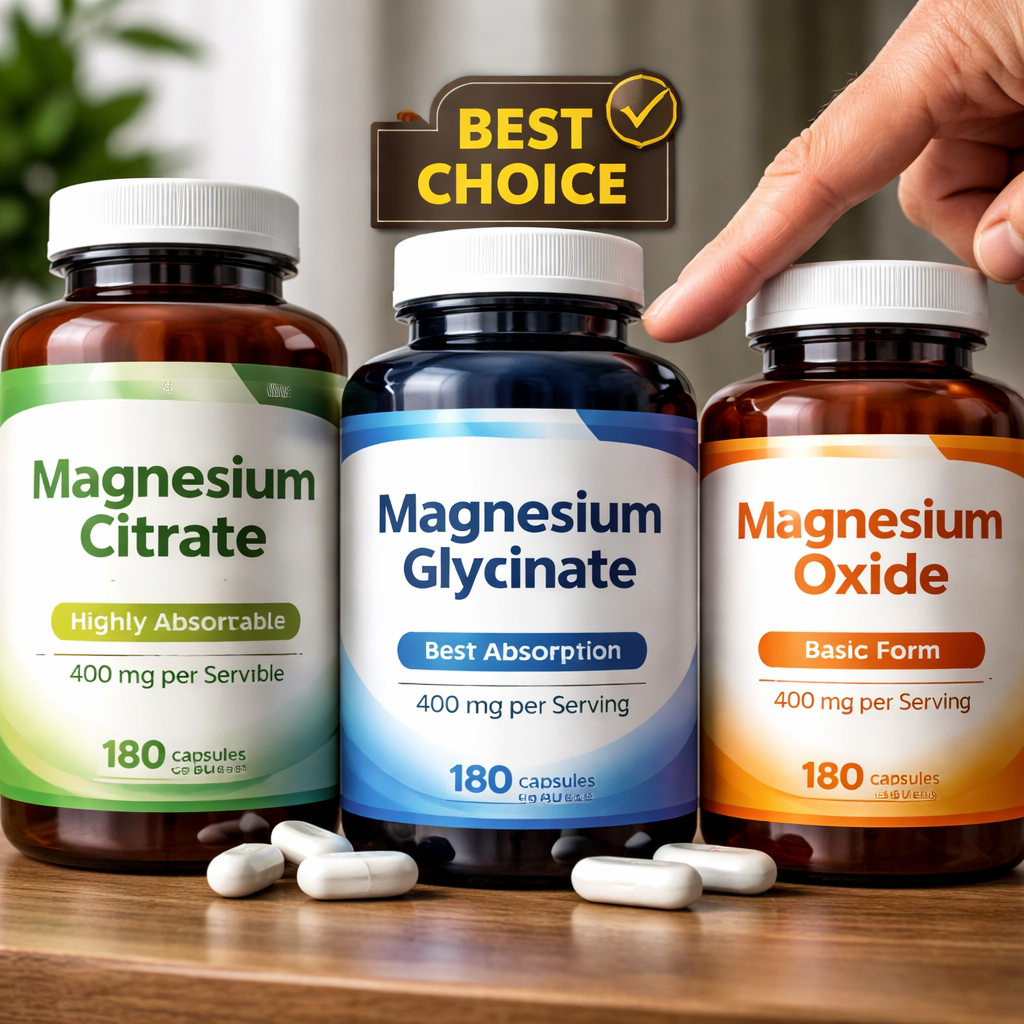
Now that you know you need extra magnesium, the next step is to pick the right form for your men’s multivitamin with magnesium dosage. Not all magnesium types are created equal; some absorb better, others are gentler on the gut.
And the science‑backed guide from WebMD breaks down the main options.WebMD magnesium supplement guide Here’s the quick rundown:
Magnesium citrate
- High absorption rate.
- Often used for muscle recovery and sleep.
- Can cause mild laxative effect if you take too much.
Magnesium glycinate
- Very gentle on the stomach.
- Excellent for people who get diarrhea from other forms.
- Great for calming nerves and supporting sleep.
Magnesium oxide
- Low cost, but lower absorption.
- Common in cheap supplements.
- Best when you need a higher elemental dose but can tolerate occasional stomach upset.
But which one fits a men’s multivitamin with magnesium dosage best? If you’re aiming for steady energy and hormone support, magnesium glycinate or citrate are top picks. They deliver the magnesium without the tummy trouble that can interrupt your training.
Dosage guidelines
The National Academy of Medicine says don’t exceed 350 mg of supplemental magnesium per day unless a doctor says otherwise.WebMD magnesium supplement guide For a men’s multivitamin with magnesium dosage, a sweet spot is 200–250 mg from the pill, leaving room for food sources to fill the rest.
And if you need more for a specific goal—say, improving sleep—you can add a separate 100 mg magnesium glycinate supplement in the evening, staying under the 350 mg ceiling.
Here’s a simple step‑by‑step to set your dose:
- Calculate your daily intake from food (use the log from Step 1).
- Subtract that amount from the 420 mg target.
- Choose a men’s multivitamin with magnesium dosage that supplies 150–250 mg.
- If you’re still short, add a single‑dose magnesium glycinate capsule at night.
Remember to spread intake throughout the day. Taking all at once can cause a spike that leads to nausea.
For a deeper dive into absorption rates, check the WebMD magnesium supplement guide and see the chart on bioavailability.
 Step 3: Combine Multivitamin & Magnesium – Timing & Safety
Now you have the right amount of magnesium in your men’s multivitamin with magnesium dosage. The final step is to fit it into your daily routine without clashes.
And the key rule is simple: keep minerals that need an acidic environment separate from those that need a neutral one. Vitamin D, calcium, and magnesium each have their own timing sweet spots.
But you can still take them together safely if you follow a few guidelines.
Morning vs. evening
- Take your multivitamin with breakfast. Food helps absorb fat‑soluble vitamins like D and E.
- Take pure magnesium (glycinate or citrate) after dinner or before bed. This supports relaxation and sleep.
- Avoid taking magnesium on an empty stomach if you have a sensitive gut.
Here’s a quick visual of timing options:
| When to takeWhyNotes | ||
| Morning with food | Boosts vitamin D, B‑vitamins, zinc absorption. | Helps energy throughout the day. |
| Afternoon snack | Provides steady magnesium levels. | Good for active men who train midday. |
| Evening (30 min before bed) | Magnesium supports GABA, calm, better sleep. | Use glycinate to avoid nighttime trips. |
| Separate from high‑dose calcium | Calcium can compete with magnesium for uptake. | Space them at least 2 hours apart. |
And if you’re using a men’s multivitamin with magnesium dosage that already contains calcium, the 2‑hour rule still applies for any extra calcium tablets you might take.
Safety first: magnesium can interact with certain meds, like antibiotics or diuretics. Always check with your doctor if you’re on prescription drugs.
Below is a short video that walks through the timing strategy in a visual way.
And for a real‑world example, imagine Mark, 48, who started his day with a men’s multivitamin with magnesium dosage at breakfast and added a magnesium glycinate capsule before bed. Within three weeks his sleep improved, his gym sessions felt easier, and his mood steadied.
For more on safe combos, see the Intimina guide on vitamin combos. It notes that B12, D, and magnesium work well together, while fat‑soluble vitamins like D and E should be taken with some fat but not with high‑dose calcium.
Finally, check the label of your men’s multivitamin with magnesium dosage. Look for third‑party testing, clear ingredient amounts, and no unnecessary fillers. Ultra Test Natural Testosterone Support - Nuradiant is an example of a product that meets those standards, pairing magnesium with zinc, vitamin D, and herbs that aid testosterone.
Conclusion
Putting it all together, the right men’s multivitamin with magnesium dosage can close the hidden gaps that show up after 40. First, assess how much magnesium you’re already getting. Then choose a well‑absorbed form like citrate or glycinate, keeping the dose under 350 mg total. Finally, slot your multivitamin into breakfast and your magnesium boost into the evening, watching for any drug interactions. By following these three steps you’ll support sleep, muscle recovery, and even healthy testosterone levels without over‑loading your system. We’ve walked you through the why and how, so you can act now. If you’re ready to upgrade, explore a science‑backed formula that matches these guidelines and start feeling the difference.
FAQ
How do I know if my men’s multivitamin with magnesium dosage is enough?
Check your diet log and compare total magnesium from food to the 420 mg RDA. If you’re still 150 mg short, the multivitamin should supply that gap. Look for a label that lists 150–250 mg of elemental magnesium per serving. Also, note any signs like muscle cramps or restless sleep, which suggest you need more.
Can I take magnesium on the same day as other supplements?
Yes, you can pair magnesium with most vitamins, but keep it separate from high‑dose calcium. Take your men’s multivitamin with magnesium dosage at breakfast, and a pure magnesium capsule in the evening. This timing avoids competition and supports both energy and sleep.
What form of magnesium works best for sleep?
Magnesium glycinate is the gentlest on the gut and helps calm the nervous system. Studies show it boosts GABA, the brain chemical that promotes sleep. For a men’s multivitamin with magnesium dosage, aim for at least 100 mg glycinate before bed if you need extra sleep support.
Is it safe to exceed 350 mg of supplemental magnesium?
Exceeding 350 mg can lead to diarrhea, nausea, and in rare cases, toxicity. The National Academy of Medicine recommends staying below that limit unless a doctor monitors you. A men’s multivitamin with magnesium dosage should stay within 200–250 mg, leaving room for any extra food sources.
Will magnesium affect my testosterone levels?
Magnesium plays a role in hormone balance. Low magnesium can raise cortisol, which can lower testosterone. By using a men’s multivitamin with magnesium dosage that meets your needs, you help keep cortisol in check, indirectly supporting healthy testosterone production.
Can magnesium interact with prescription meds?
Yes. Magnesium can bind with certain antibiotics, diuretics, and heart meds, reducing their absorption. Always tell your doctor you’re adding a men’s multivitamin with magnesium dosage, especially if you’re on chronic medication. A short gap of two hours between meds and magnesium usually prevents issues.