

Guide to Testosterone Support Supplement Side Effects
Most men over 40 think a pill will fix low testosterone. They’re wrong. Side effects can hide, grow, and ruin progress. This guide shows you how to spot, understand, and tame testosterone support supplement side effects so you stay on track.
We pulled real data from a recent April 2026 scan of testosterone‑support products. Only one supplement listed its ingredients. The rest left gaps.
| Name | Key Active Ingredients | Best For | Source |
|---|---|---|---|
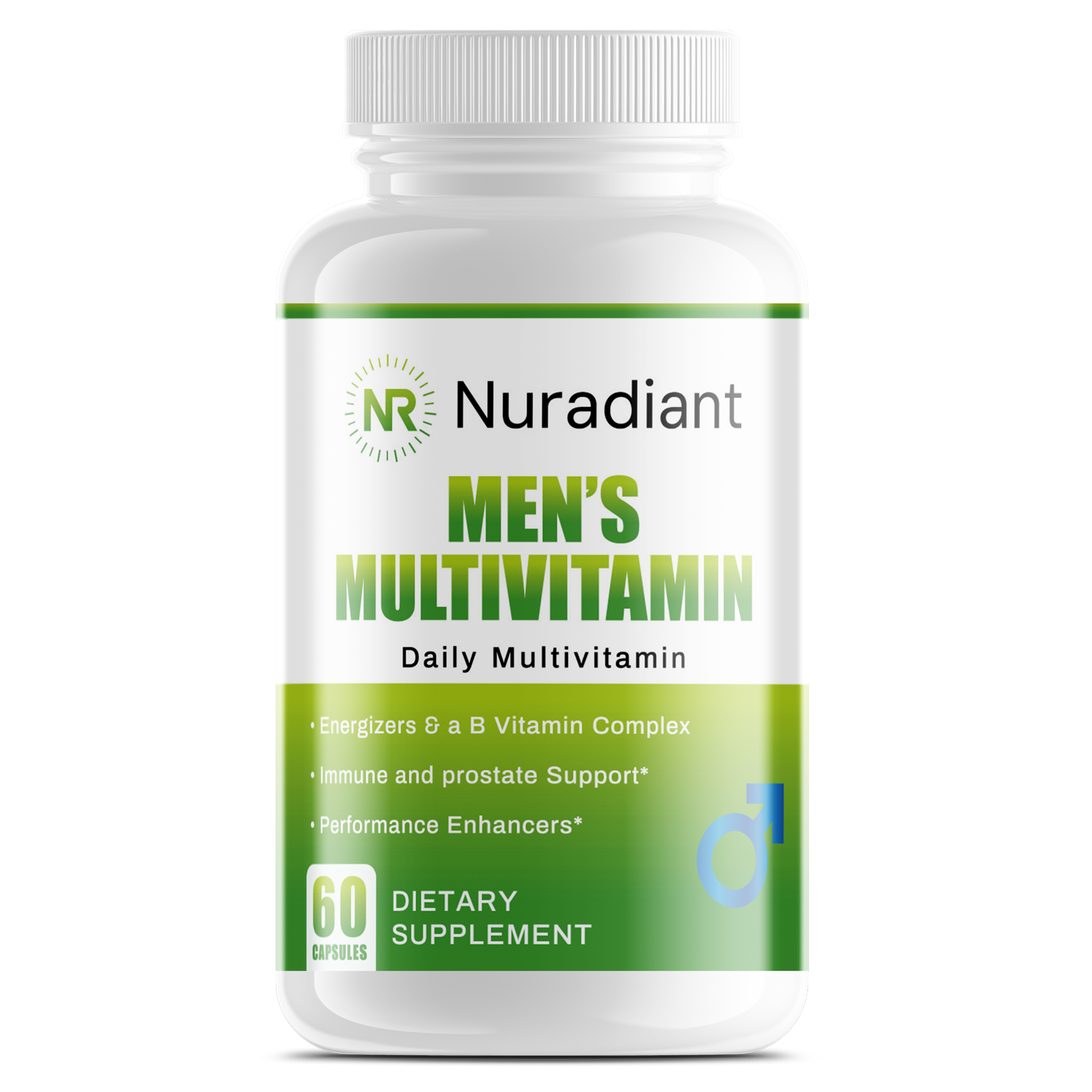
| Nuradiant Men's Multivitamin (Our Pick) | ['Vitamin D', 'Calcium', 'Vitamin B12'] | Essential micronutrient support | nuradiant.com |
Step 1: Identify Common Side Effects
When you start a testosterone support supplement, the first thing to watch is how your body reacts. Common signs include skin irritation, acne, mood swings, and changes in sleep.
One study from the Cleveland Clinic notes that oral testosterone capsules can cause heart‑related events, blood‑sugar shifts, and skin reactions. Cleveland Clinic testosterone info offers a full list of side effects to keep an eye on.
Another page from the same source repeats that you should report any new chest pain, rapid heartbeat, or swelling right away. Cleveland Clinic side‑effect guide stresses that early detection helps avoid bigger problems.
Why do these reactions happen? Most testosterone formulas boost hormone levels quickly, and your body may not adjust right away. The skin, for example, reacts to higher oil production, which can trigger acne.
To log symptoms, use a simple notebook. Write the date, dose, and what you felt. Over weeks you’ll see patterns. If a symptom shows up twice in a row, it’s worth noting.
Practical tip: set a reminder to check in with yourself every night. A short five‑minute check keeps the list manageable.
- Watch for sudden mood changes.
- Note any skin eruptions.
- Track sleep quality.
- Record heart rate spikes.
By spotting the early clues, you can act before the issue becomes severe.
Step 2: Understand Why They Occur
Knowing the root cause helps you decide what to change. Testosterone works by binding to receptors in many tissues. When levels jump, some cells over‑react.
Research published in 2014 explains that long‑term testosterone therapy may raise cardiovascular risk, affect prostate markers, and cause blood‑cell spikes. PMCID study on TRT risks gives a clear overview.
Another excerpt from the same study points out that the exact odds of side effects remain fuzzy because high‑quality trials are few. PMCID analysis of side‑effect uncertainty notes that age and existing health issues shape the outcome.
For example, men with hidden heart disease may see a rise in blood pressure when testosterone pushes blood volume up. That’s why you often hear about erythrocytosis, extra red cells that thicken blood.
Hormone spikes can also nudge estrogen up, leading to gynecomastia (male breast tissue growth). The body converts excess testosterone to estrogen via aromatase, especially in fat tissue.
Understanding these pathways lets you target the fix. If acne appears, a mild anti‑androgen or skin routine can help. If blood pressure climbs, a doctor may tweak the dose.
Key takeaway: side effects are signals that a hormone pathway is out of balance. You can bring it back with the right tweaks.
Step 3: Evaluate Severity and Frequency
Not all side effects need a doctor. Some are mild and pass on their own. Others demand immediate action.
First, rank each symptom on a simple scale: 1 = barely noticeable, 2 = moderate but tolerable, 3 = severe or worsening.
Next, count how often it shows up. If a rash appears once a month, that’s low frequency. If it shows up daily, that’s high frequency.
Combine the two numbers into a score. Multiply severity by frequency. A score of 6 or higher usually means you should talk to a health professional.
Example: A man notices mild acne (severity 2) three times a week (frequency 3). Score = 6. That flags a need for a dermatologist check.
Another case: occasional mild headache (severity 1) once a month (frequency 1). Score = 1. Likely safe to monitor.
Use a table like the one below to keep track.
| Symptom | Severity (1‑3) | Frequency (1‑3) | Score |
|---|---|---|---|
| Acne | 2 | 3 | 6 |
| Headache | 1 | 1 | 1 |
| Elevated heart rate | 3 | 2 | 6 |
| Sleep disruption | 2 | 2 | 4 |
When you see a score of 6 or higher, schedule a check‑up. The score helps you prioritize which issues to discuss first.
Pro tip: keep the table on your phone using a notes app. Updating it takes seconds.
- Score 1‑3: monitor at home.
- Score 4‑5: consider a pharmacist call.
- Score 6+: book a doctor visit.
Remember, the goal is to catch serious problems early while letting minor annoyances fade.
Step 4: Strategies to Reduce Side Effects
Now that you know what’s happening, let’s look at ways to lower the risk.
One approach is to adjust the dose. Many men start with a high dose, then cut back once levels rise. A gradual taper often eases skin and mood issues.
Another tactic is to add a supporting ingredient that counters the side effect. For instance, zinc can help control acne by lowering oil production.
Research on managing testosterone side effects points out that aromatase inhibitors such as anastrozole can curb estrogen‑related gynecomastia. PMCID review on TRT side‑effect management lists these options.
Similarly, phlebotomy, removing a small amount of blood, helps when hematocrit climbs too high. The same review advises regular blood‑count checks.
Here’s a short step‑by‑step plan you can follow:
- Start with the lowest effective dose.
- Take the supplement with food to slow absorption.
- Add zinc 30 mg daily if acne appears.
- Schedule blood work every three months.
- If hematocrit > 52%, talk to a doctor about phlebotomy.
Below is a short video that walks through a typical monitoring schedule.
Keep the video bookmarked. Watching it each month can reinforce the routine.
Pro tip: combine the supplement with a daily multivitamin that includes vitamin D and calcium. Those nutrients support bone health, which can be stressed by higher testosterone levels.
- Use magnesium to aid sleep and calm mood.
- Consider a low‑dose omega‑3 for heart health.
- Stay hydrated; water helps the body process hormones.
Step 5: Lifestyle Adjustments for Better Tolerance
Supplements work best when your daily habits back them up. Small tweaks can cut side‑effect risk.
First, get enough sleep. Aim for seven to eight hours. Poor sleep spikes cortisol, which can worsen testosterone swings.
Second, keep a balanced diet. Protein, healthy fats, and fiber keep hormone levels steady. Foods rich in zinc, like pumpkin seeds, are especially helpful.
Third, manage stress. Stress hormones can mask the benefits of testosterone support. A short walk, deep breathing, or a few minutes of meditation each day lowers cortisol.
Fourth, stay active but avoid overtraining. Heavy weight sessions boost testosterone, yet too much can raise cortisol and lead to joint strain.
Fifth, limit alcohol. Alcohol can lower testosterone and increase liver load, which may heighten side effects.
Here’s a quick checklist you can print:
- Sleep 7‑8 hrs nightly.
- Eat zinc‑rich foods 2‑3 times a week.
- Do 30 minutes of moderate cardio most days.
- Practice a 5‑minute breathing drill each evening.
- Stay under two drinks per day.
Our pick, Nuradiant Men's Multivitamin, already includes vitamin D, calcium, and B12, which fill common gaps for men over 40. Pairing it with a targeted testosterone support product gives a fuller nutrient base.
For a deeper look at the ingredient profile, see Ultra Test Natural Testosterone Support. The formula adds magnesium, zinc, and herbs that help balance hormone levels.
Step 6: When to Consult a Healthcare Professional
Some signals mean it’s time to call a doctor. If you notice any of these, don’t wait.
- Chest pain or tightness.
- Sudden, severe headaches.
- Rapid weight gain without diet change.
- Blood in urine or unusual swelling.
- Persistent mood swings that affect work or relationships.
These could point to heart, liver, or hormonal issues that need medical oversight.
When you book an appointment, bring your symptom log and the score table from Step 3. The doctor will likely order blood work: testosterone, PSA, hematocrit, and lipid panel.
Even if you feel fine, a yearly check‑up is wise once you start a testosterone support regimen. Early labs catch hidden risks.
Remember, a health professional can adjust the dose, suggest a different delivery method (gel vs. pill), or add a protective supplement.

For more information on how doctors monitor testosterone therapy, you can read the detailed guidelines on the Nuradiant website. They outline what tests to expect.
Step 7: Monitoring and Adjusting Your Supplement Regimen
Tracking is a habit you’ll thank yourself for later. Set a calendar reminder for monthly check‑ins.
At each check‑in, review your symptom log, update the severity‑frequency table, and note any new labs.
If a symptom score climbs, consider dropping the supplement for a week to see if it eases. Then re‑introduce at a lower dose.
Some men switch from oral capsules to a transdermal gel after a few months. The gel can give steadier levels and fewer stomach issues.
When you feel the supplement is working, more energy, better mood, stronger lifts, but side effects linger, tweak the formula. Adding a magnesium supplement at night can calm sleep‑related spikes.
Here’s a simple monthly routine:
- Day 1: Take supplement as directed.
- Day 7: Review any new symptoms.
- Day 14: Check blood pressure and heart rate.
- Day 21: Update severity‑frequency scores.
- Day 30: Schedule lab draw if due; adjust dose if score > 5.
Keep the routine flexible. If you travel, note any changes in diet or stress that could affect results.
For a broader view of all the supplements Nuradiant offers, browse the All Supplements collection. It helps you spot products that complement your testosterone support plan.
Conclusion
Understanding testosterone support supplement side effects is a mix of watching your body, knowing why reactions happen, and taking smart steps to lower risk. By logging symptoms, scoring severity, and staying in touch with a health professional, you keep the benefits while cutting the downsides.
Remember the key points: spot early signs, use the score table, adjust dose, add supportive nutrients, and keep lifestyle habits on point. Pair a transparent product like Nuradiant Men's Multivitamin with a focused testosterone support formula for a balanced, age‑specific approach.
Ready to take control? Start your log today, set a reminder, and watch the progress unfold.
FAQ
What are the most common testosterone support supplement side effects?
Typical signs include acne, mood swings, sleep changes, and mild heart‑rate spikes. You can track them with a daily log and use the severity‑frequency score to decide if a doctor’s visit is needed.
How can I tell if a side effect is serious?
If a symptom scores six or higher on the severity‑frequency scale, it’s a red flag. Chest pain, severe headaches, or sudden swelling should prompt an immediate medical call.
Can diet reduce testosterone support supplement side effects?
Yes. Eating zinc‑rich foods, staying hydrated, and limiting alcohol can calm acne and blood‑pressure shifts. Pairing the supplement with a multivitamin that includes vitamin D and calcium also helps bone health.
Do I need blood tests while using testosterone support supplements?
Regular labs are a good idea. A testosterone level, PSA, hematocrit, and lipid panel every three months give a clear picture of how your body is handling the supplement.
Should I stop the supplement if I notice side effects?
Not always. Mild symptoms often improve with a lower dose or added nutrients. Severe or persistent issues, especially those that score high, warrant a pause and a doctor’s review.
How often should I check my symptom scores?
Check at least once a week. Updating the table regularly helps you spot trends early and keeps your health team informed.